
Introduction: Why Digital Avatar Matters in the Metaverse
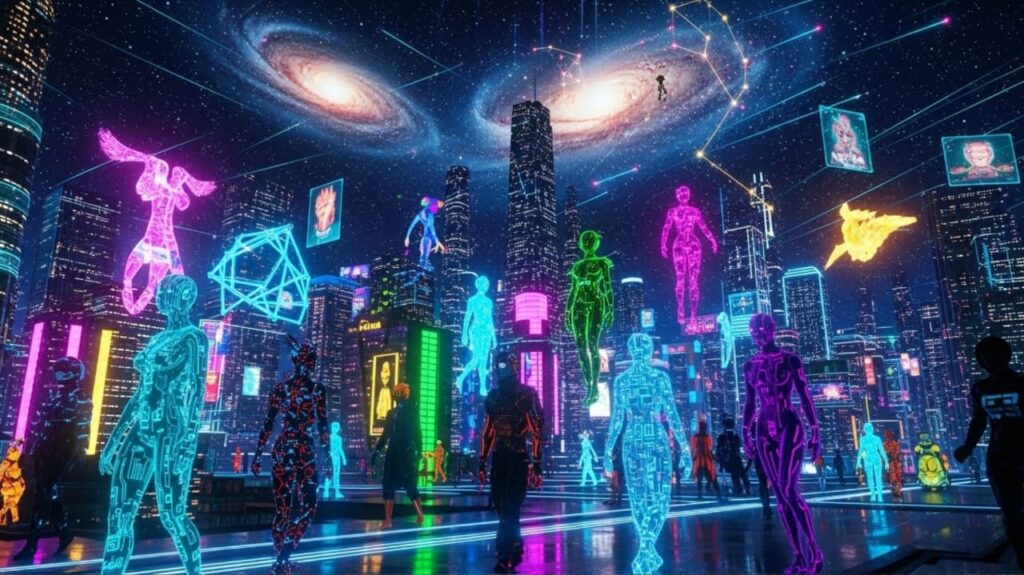
The digital avatar is rapidly emerging as the ‘face’ of online identity within the metaverse universe. This is because the more that humans interact within the metaverse, the more the online identity that they create has evolved from the ‘profile picture’ into something much more sophisticated.
By 2025, a digital avatar represents more than a character. It is a virtual identity that can be used for communication, work, games, education, and commerce within the immersive space.
What is a Digital Avatar? Explained Simply
A digital avatar is an electronic representation of an individual within an electronic environment. Depending on the technology used, it might exhibit animation and realism.
Digital Avatars can be applied in:
Metaverse Platforms
Virtual Reality Games
Online Meetings
Social virtual worlds
Your digital avatar represents “you” within a virtual environment.
Connection Between Digital Avatar and Virtual World
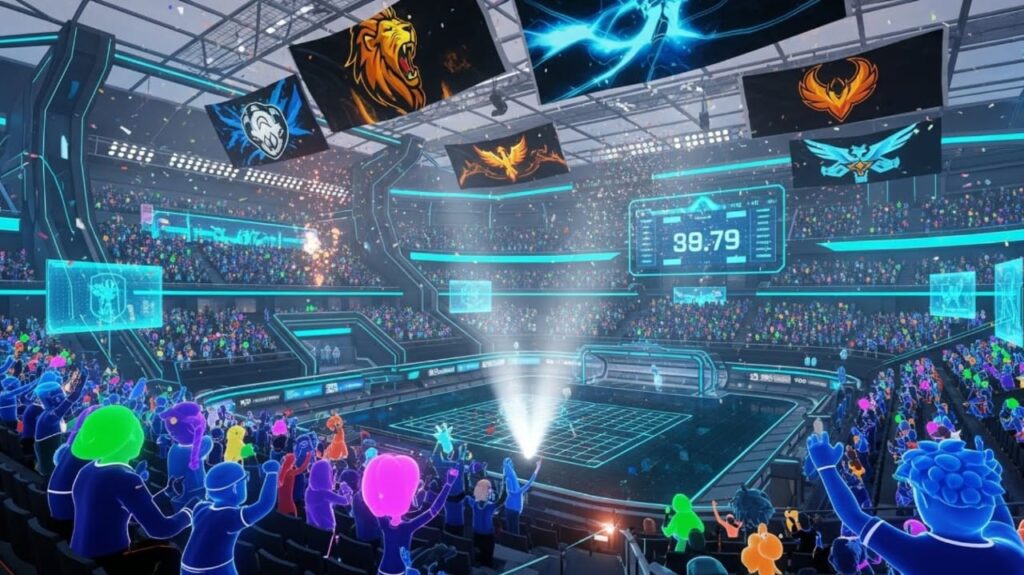
In every virtual world, people communicate using an avatar. An avatar has the following functions:
Walk and explore environments
Communicate with others
Act actions
Show emotions
The digital avatar enables an immersive virtual world.
The Digital Avatar in Virtual Life Online
Cyberspace life gets reality by means of digital figures. Individuals today:
Virtual presence at meetings using a player and
Go to Virtual Concerts
Interact on online platforms
Build online communities
An avatar in digital space provides a sense of presence to users.
How Digital Avatars Work
A digital avatar employs the following:
3D Modeling
The process of detecting
Facial recognition
Artificial intelligence
More advanced avatars can reproduce real-world actions, expressions, and voice.
Types of Digital Avatars
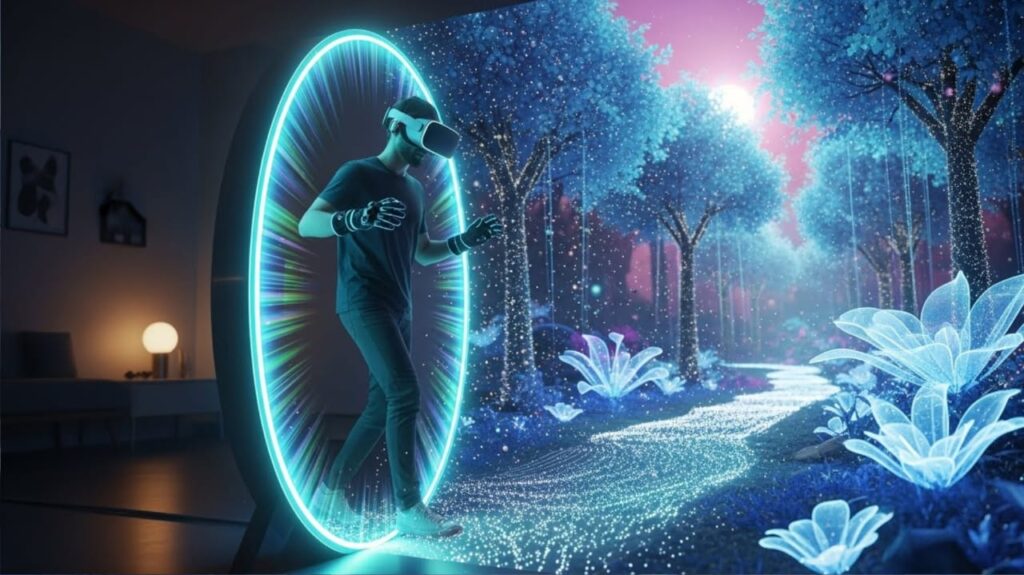
There are a number of kinds of digital avatars, including:
Realistic Avatars Look like real humans
Cartoon avatars are stylized and
AI avatars and the impact of artificial intelligence
NFT avatars – ownership based on blockchain technology
Every type has its own applications in the metaverse.
The Digital Avatar for Business and Work
Digital avatars in businesses, also known as virtual agents,
Virtual Offices
Employee training
Customer support
Collaborative working –
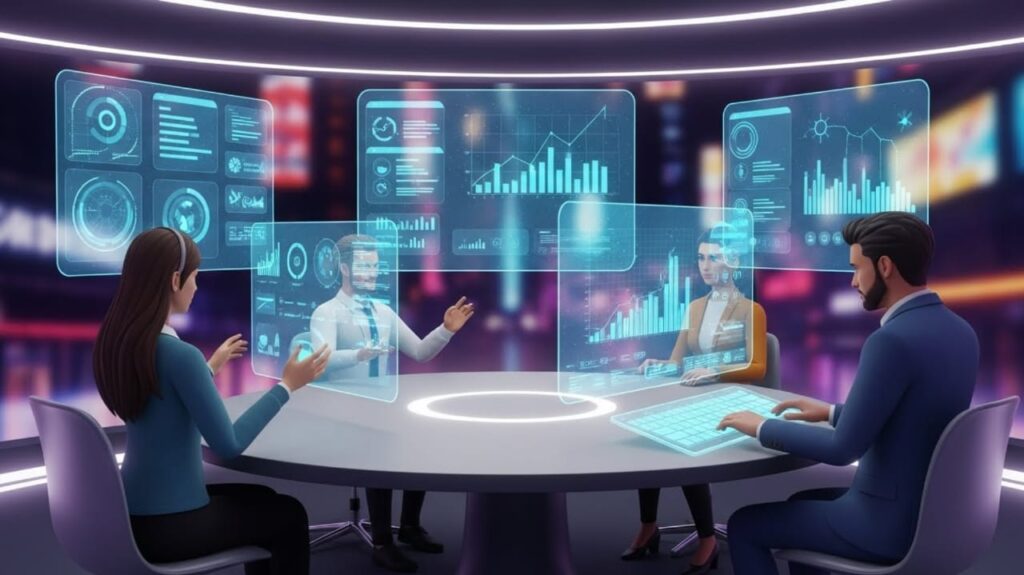
Having a digital avatar enhances engagement while minimizing the drawbacks associated with video conferencing.
Digital Avatar in the Gaming and Entertainment Industry
The gaming industry was the first to make digital avatars mainstream. Currently, avatars enable users to:
Personalize appearance
Earn digital merchandise
Establish Online Reputation
Although it
Engage in Metaverse Economies
This has made gaming a social and economic experience.
Digital Avatar and Identity Defense
Although virtual avatars offer liberty, there are concerns surrounding virtual avatars:
Identity Theft
Data privacy
Imperson
Today, platforms are using blockchain and AI technologies to provide security for digital avatars.
The Future of Digital Avatars
The future of the digital avatar will include:
AI-assisted personalities
Avatars cross-platform
Real-world Integration
Applications in Education and Healthcare
Digital avatars will soon become a regular feature of digital life.
Importance of Digital Avatars
A digital avatar gives individuals the opportunity to:
Express themselves creatively
Preserve Privacy
Engage internationally
Establish digital identity
As the metaverse scales, digital avatars will become as much a part of our digital identity as our current presence on social media platforms is today.
Conclusion
The digital avatar is making an impact on the way humans communicate online. Virtual worlds like gaming, socializing, doing business, or educating involve digital avatars that represent our identity online. As technology progresses, digital avatars shall become smarter, secure, and more lifelike. Knowledge about the current functioning of a digital avatar will prepare you for the online real life to come.