
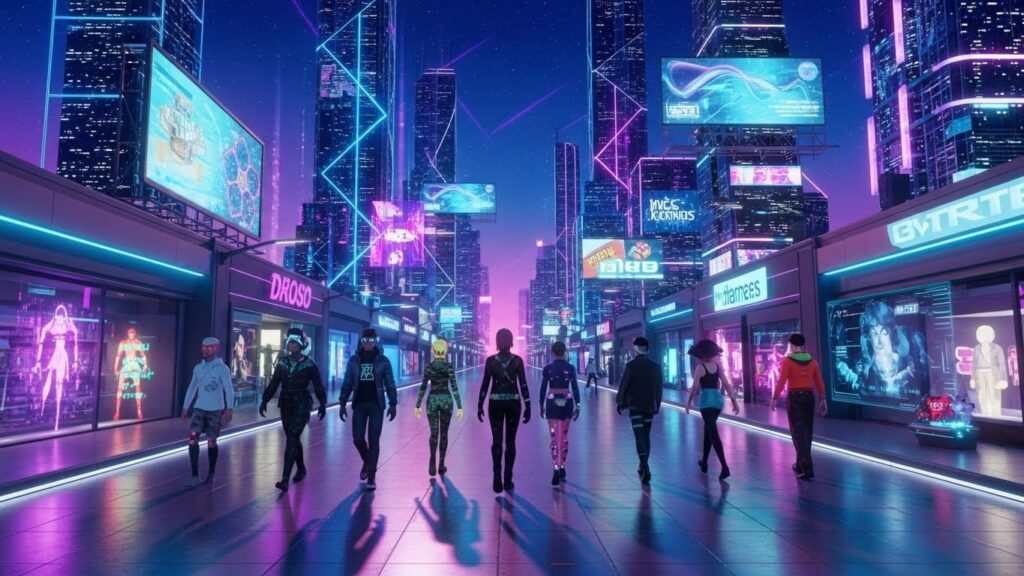
Immersive Virtual Communities: The Next Evolution of Online Interaction
The internet has always been about connecting people, but the way we connect is changing fast. Text, images, and video calls are no longer enough. People now want presence, interaction, and shared experiences. This demand has given rise to immersive virtual communities, where users interact inside realistic 3D environments instead of flat screens.
These communities are becoming a powerful part of digital culture.
What Are Immersive Virtual Communities?
Immersive virtual communities are digital spaces where people gather using avatars inside virtual environments. Unlike traditional forums or social media groups, these communities allow users to:
- Move freely in shared spaces
- Communicate naturally
- Participate in activities together
- Build long-term relationships
They feel closer to real-life interaction than any previous online system.
Why Online Communities Are Becoming Immersive
Traditional online communities often feel disconnected. Immersion solves this by adding:
- Visual presence
- Spatial audio
- Body movement through avatars
This makes communication more natural and emotionally engaging. As a result, immersive virtual communities are replacing old-style online groups.
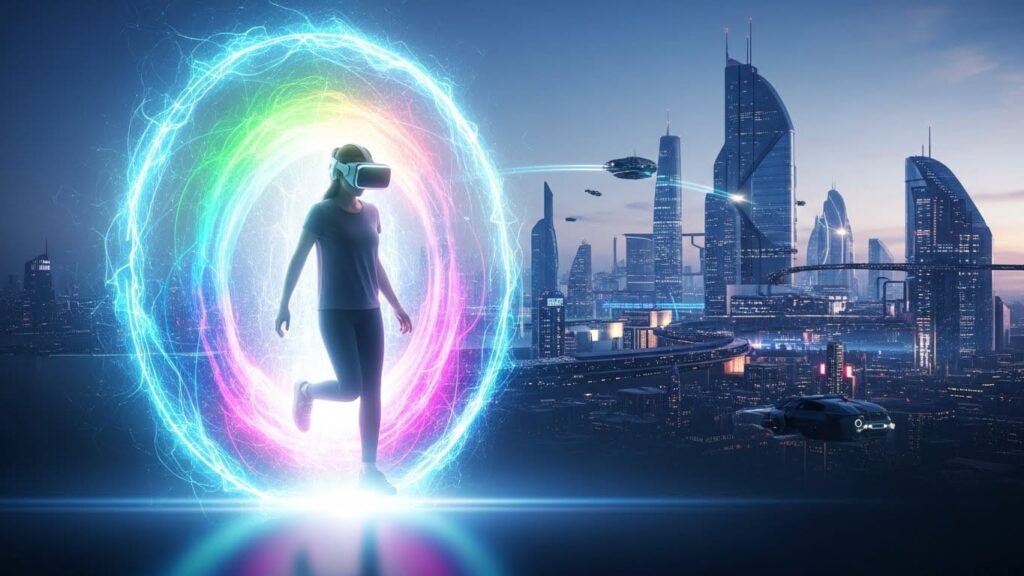
Social Interaction Inside Virtual Worlds
Inside these environments, people:
- Meet friends
- Attend group discussions
- Hang out casually
- Celebrate events together
Shared experiences strengthen bonds and create stronger communities than text-based platforms ever could.
Work and Collaboration in Virtual Communities
Remote work has changed expectations. Teams now use immersive environments for:
- Virtual offices
- Brainstorming sessions
- Training programs
- Team-building activities
Working inside immersive virtual communities feels more collaborative than video calls.
Learning and Education Through Immersion
Education benefits greatly from immersive interaction. Students can:
- Attend virtual classrooms
- Learn through simulations
- Interact with peers naturally
This improves focus, participation, and knowledge retention.
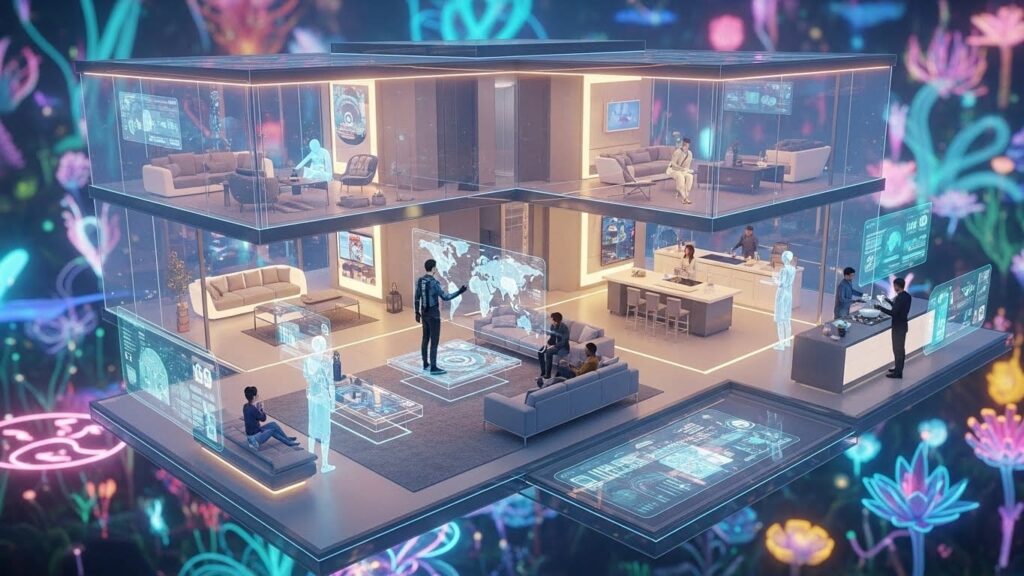
Identity and Self-Expression Through Avatars
Avatars allow users to express identity creatively. People can:
- Customize appearance
- Represent personality
- Build digital reputations
Digital identity is becoming an extension of real-world identity.
Entertainment and Events in Virtual Communities
Entertainment thrives in immersive environments. Users can:
- Attend concerts
- Join festivals
- Watch performances together
These shared experiences increase emotional engagement and community loyalty.
Safety and Moderation Challenges
With growth come challenges:
- Harassment risks
- Identity misuse
- Privacy concerns
Platform developers are improving moderation tools to protect users and maintain healthy communities.

Immersive Communities vs Traditional Social Platforms
| Feature | Traditional Platforms | Immersive Communities |
|---|---|---|
| Interaction | Text & video | 3D presence |
| Engagement | Passive | Active |
| Identity | Profile-based | Avatar-based |
| Community depth | Limited | Strong |
This difference explains why immersive platforms are growing rapidly.
Accessibility and Adoption Barriers
Challenges still exist:
- Hardware costs
- Learning curve
- Technical limitations
However, desktop and mobile access options are making entry easier.
The Future of Immersive Virtual Communities
As technology improves:
- Avatars will become more realistic
- Virtual spaces more detailed
- Access more affordable
Immersive virtual communities will become a normal part of daily life.
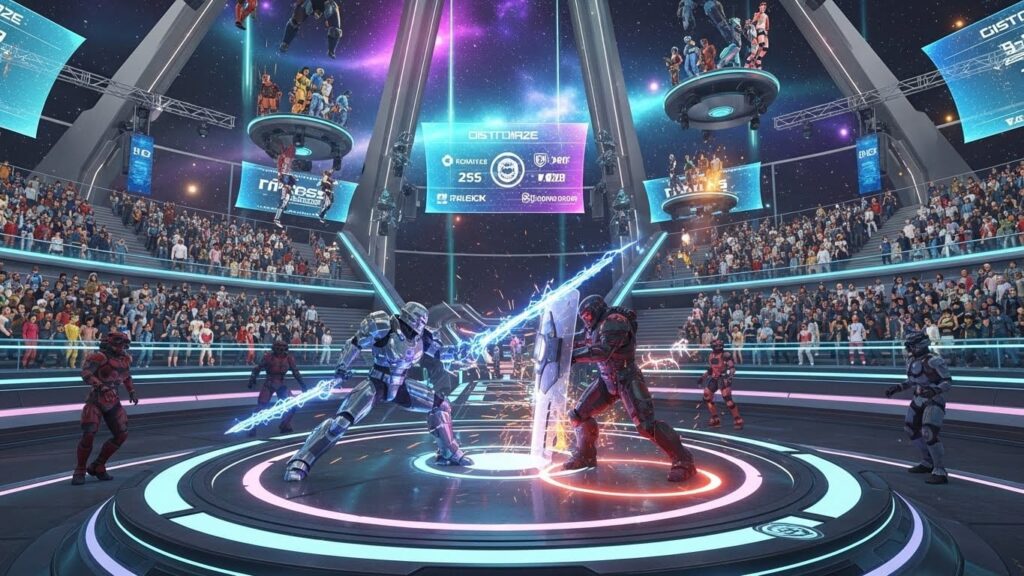
Why These Communities Matter
They matter because they:
- Reduce loneliness
- Enable global friendships
- Improve remote collaboration
- Create new digital cultures
Human connection is becoming immersive, not distant.
How Beginners Can Join Immersive Communities
New users should:
- Start with beginner-friendly platforms
- Use desktop mode initially
- Join public spaces
- Explore gradually
Entry is easier than most people expect.
Long-Term Impact on Society
As adoption grows:
- Physical and digital social lives will merge
- Virtual interaction will feel natural
- Community-building will evolve
The internet will feel more human than ever before.
✅ Conclusion
Immersive virtual communities represent the future of online connection. They bring people closer, create deeper interactions, and redefine how communities form in the digital age. As these environments evolve, they will replace many traditional forms of online interaction.
Early adopters will shape how the next generation connects online.