

Immersive Virtual Societies: The Birth of a New Digital Civilization
The internet is no longer just about consuming content—it is becoming a place where people live, interact, and build identities. At the center of this evolution are Immersive Virtual Societies.
These societies go beyond games or virtual meetings. They represent fully interactive digital communities where people form relationships, create cultures, and participate in virtual economies. In 2025, immersive virtual societies are shaping the next phase of online life.
What Are Immersive Virtual Societies?
Immersive Virtual Societies are persistent digital environments where users interact through avatars in shared virtual spaces.
Core elements include:
Real-time social interaction
Persistent digital identities
Community-driven environments
Virtual rules, norms, and cultures
Shared digital economies
Unlike traditional platforms, these societies feel lived-in, not visited.

Why Immersive Virtual Societies Are Emerging Now
Several technologies are converging to make immersive virtual societies possible:
Advanced 3D graphics
Virtual and augmented reality
Artificial intelligence
Faster internet infrastructure
Cloud-based computing
Together, these technologies allow digital worlds to feel social, responsive, and alive.
Social Life Inside Immersive Virtual Societies
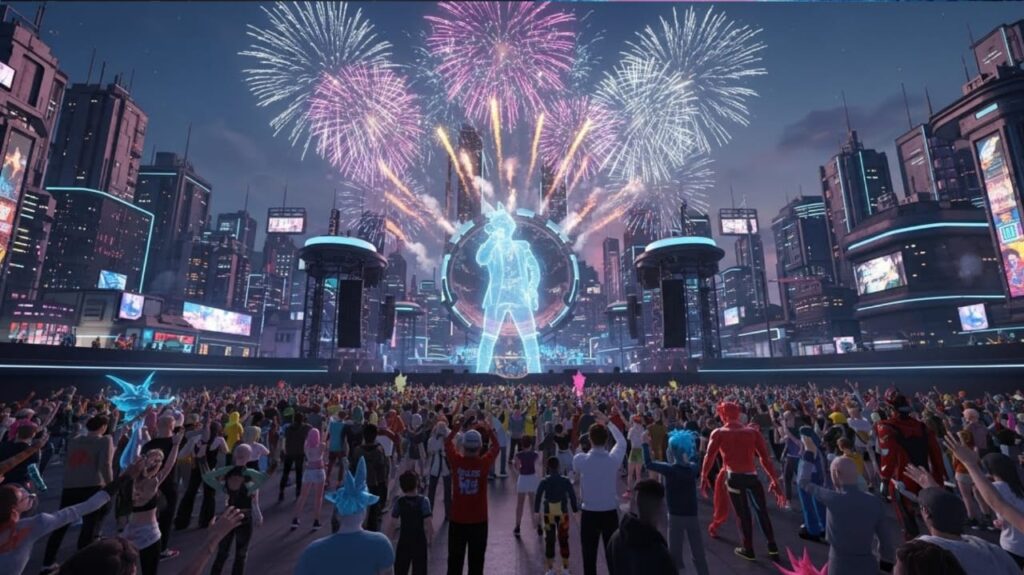
Social interaction is the foundation of Immersive Virtual Societies.
Users can:
Communicate using voice and gestures
Attend virtual gatherings and events
Form friendships and communities
Express personality through avatars
These interactions often feel more personal than traditional social media.
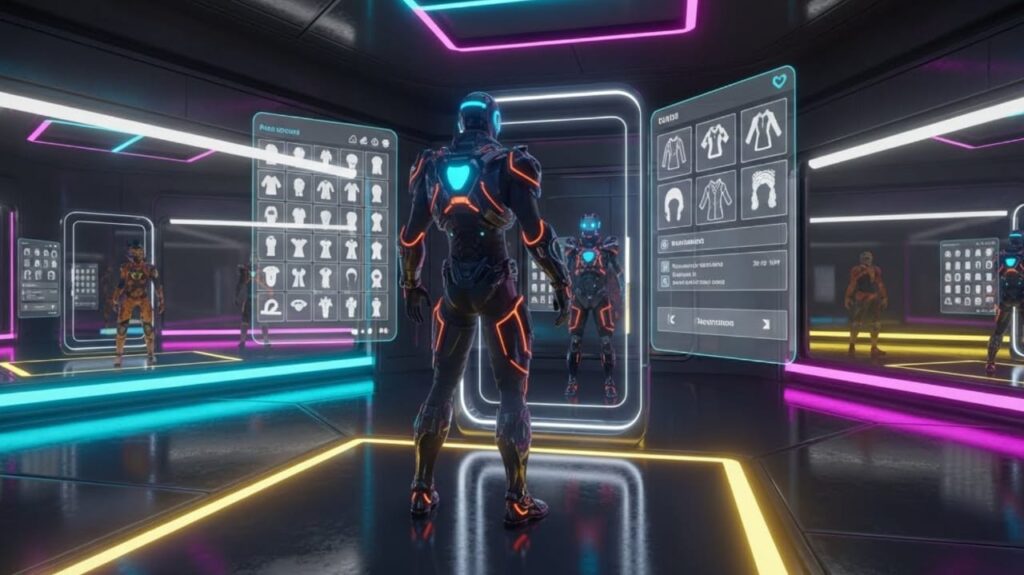
Digital Identity in Immersive Virtual Societies
In immersive virtual societies, identity goes beyond usernames.
People build:
Custom avatars
Digital reputations
Social roles within communities
Long-term virtual presence
This creates a sense of belonging and continuity that keeps users engaged.
Virtual Economies Powering Immersive Virtual Societies
Every immersive virtual society has an internal economy.
Participants can:
Trade digital goods
Offer virtual services
Create content for income
Build virtual businesses
These economies blur the line between entertainment and real-world value creation.
Immersive Virtual Societies in Work and Collaboration
Work is evolving inside immersive virtual societies.
Organizations are using virtual spaces for:
Remote collaboration
Team-building experiences
Training simulations
Creative brainstorming
Compared to video calls, immersive environments improve focus and engagement.
Cultural Evolution Inside Immersive Virtual Societies
Just like real societies, immersive virtual societies develop:
Social norms
Community rules
Digital fashion trends
Shared rituals and events
Over time, these cultures become unique and self-sustaining.
Challenges Facing Immersive Virtual Societies
Despite growth, challenges remain:
Accessibility and hardware costs
Privacy and data ownership concerns
Moderation and digital safety
Mental health considerations
Solving these issues is critical for long-term adoption.
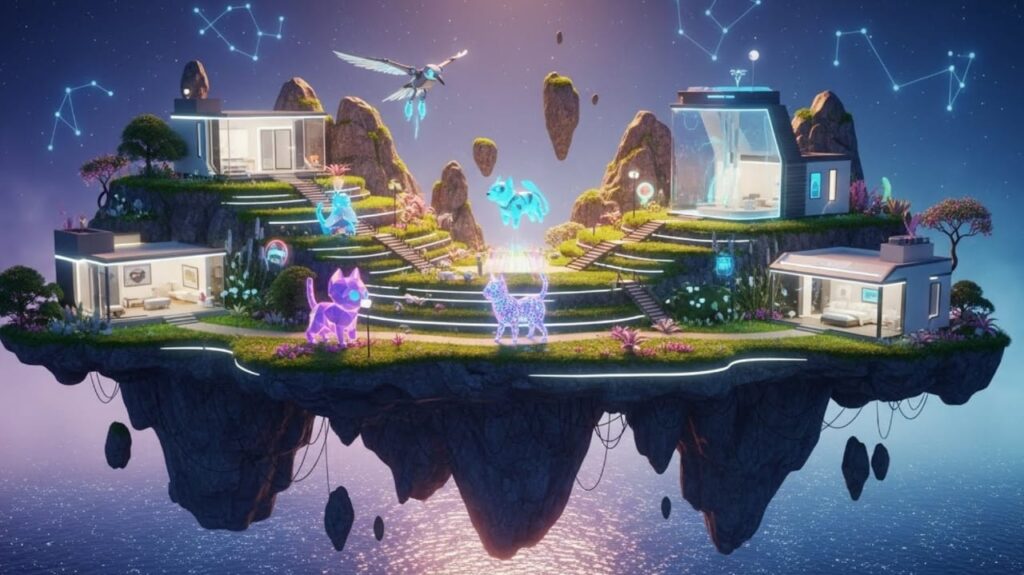
The Future of Immersive Virtual Societies
The future points toward:
Cross-platform virtual identities
AI-driven virtual citizens
Seamless blending of physical and digital life
Global digital communities without borders
Immersive virtual societies may become as common as social networks are today.
Real-World Impact of Immersive Virtual Societies
These societies are influencing:
How people socialize
How communities form online
How digital citizenship is defined
How value is created digitally
They represent a shift from passive internet use to active digital living.
✅ Conclusion: Immersive Virtual Societies Are the Next Human Network
Immersive Virtual Societies are more than technology—they are a new form of human organization. As digital environments become more interactive and persistent, these societies will redefine connection, culture, and community in the online world.
The future internet will not just be browsed—it will be lived.