
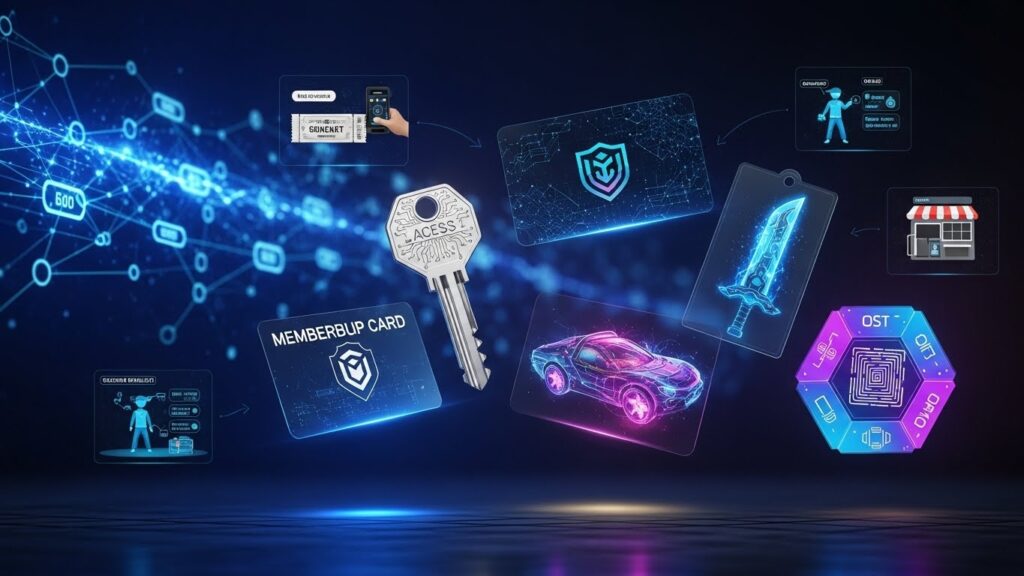
NFT Utility Use Cases: The Evolution Beyond Digital Art
The NFT market has moved far beyond simple digital images. In 2025, NFT utility use cases are driving real value, long-term adoption, and sustainable growth in the digital economy.
Today’s NFTs focus on functionality, access, and real-world benefits rather than hype alone.
What Are NFT Utility Use Cases?
NFT utility use cases refer to the practical functions NFTs provide to holders.
These utilities include:
- Platform access
- Membership benefits
- In-game assets
- Event tickets
- Digital identity
Utility transforms NFTs from collectibles into functional digital tools.
Why NFT Utility Use Cases Matter in 2025
The market has matured.
Modern investors and users demand:
- Real benefits
- Long-term value
- Practical applications
Projects without clear NFT utility use cases struggle to survive.
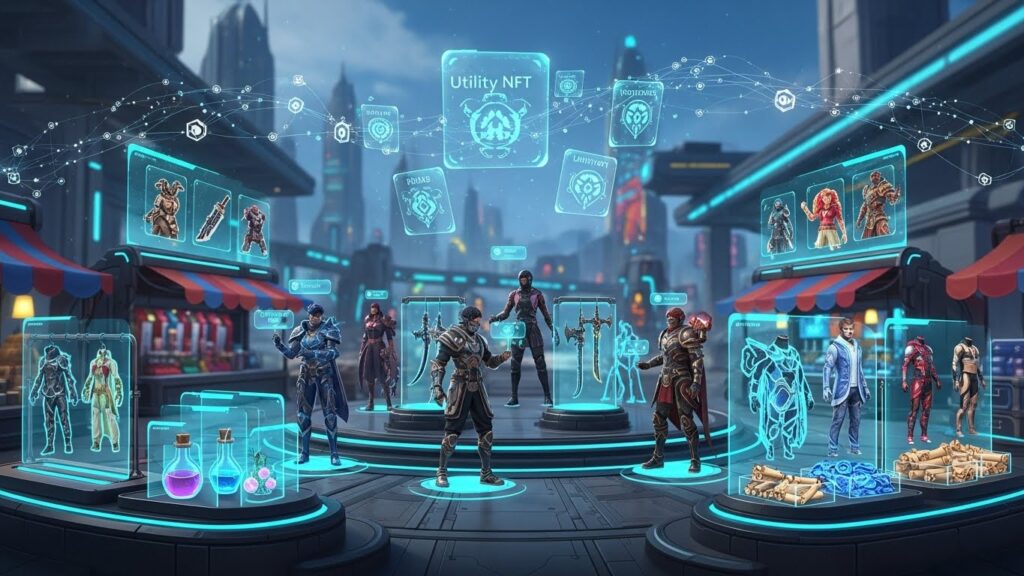
NFT Utility Use Cases in Gaming Ecosystems
Gaming is one of the strongest NFT sectors.
In gaming, NFT utility use cases include:
- Player-owned items
- Tradeable in-game assets
- Character upgrades
- Cross-game compatibility
These NFTs give players real ownership and economic freedom.
Membership and Access NFTs
NFTs are replacing traditional subscriptions.
Popular NFT utility use cases include:
- Private community access
- Premium content unlocks
- Exclusive tools
- VIP experiences
Ownership replaces monthly fees, creating long-term loyalty.
NFT Utility Use Cases in Events and Ticketing
NFT ticketing reduces fraud and increases transparency.
Event-based NFT utility use cases offer:
- Verified ownership
- Resale control
- Exclusive perks
- Digital collectibles
This model benefits both organizers and attendees.
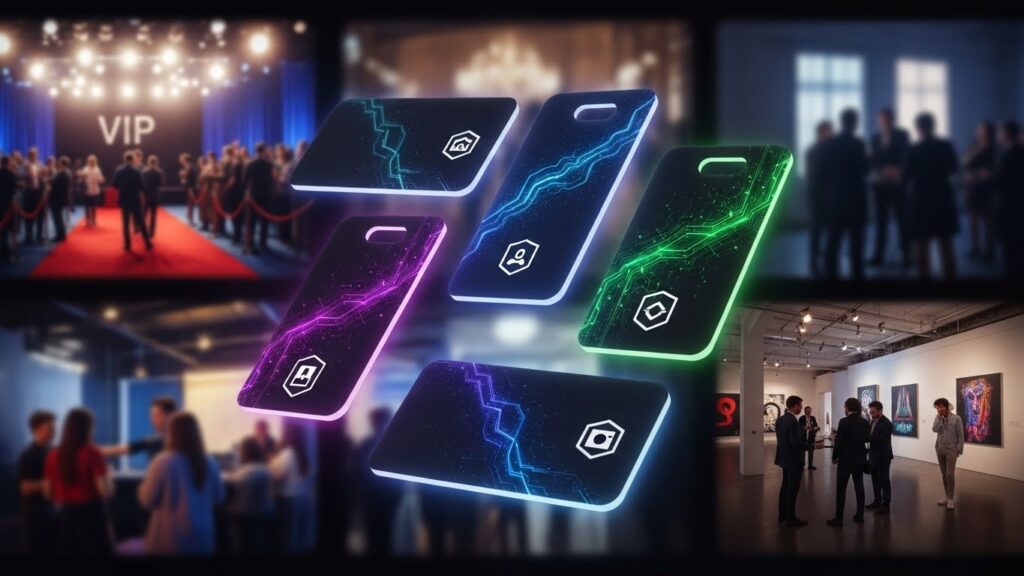
Digital Identity and Verification
Identity is becoming decentralized.
NFT utility use cases in identity include:
- Verified credentials
- Digital IDs
- Achievement records
- Professional profiles
NFT-based identity improves trust and security online.
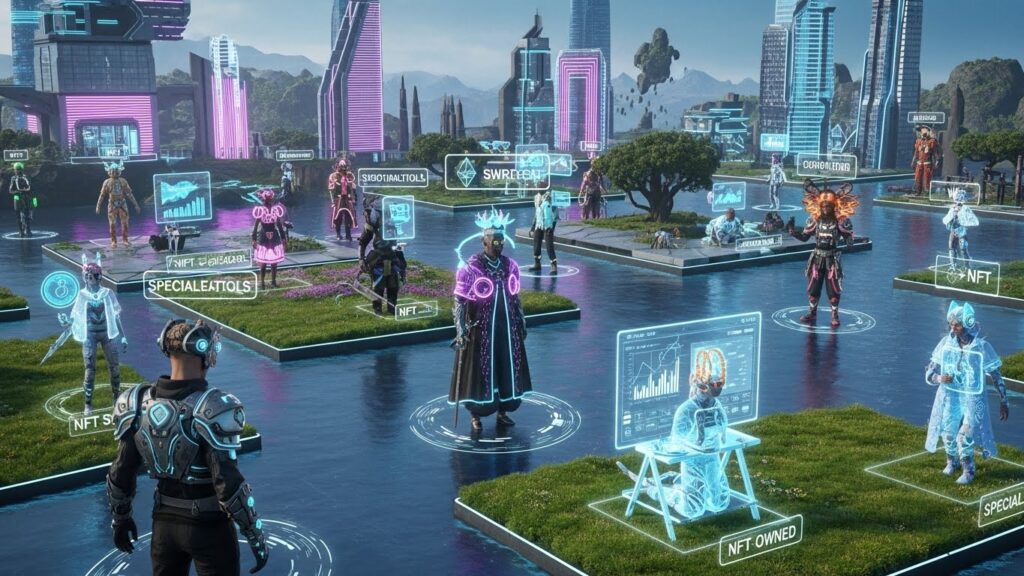
NFT Utility Use Cases in Virtual Worlds
Virtual worlds rely heavily on NFTs.
In metaverse environments, NFTs represent:
- Virtual land
- Avatars
- Wearables
- Tools and assets
These NFT utility use cases power virtual economies.
Brand and Loyalty NFTs
Brands are using NFTs to build loyalty.
Brand-focused NFT utility use cases include:
- Reward programs
- Exclusive access
- Limited editions
- Community engagement
NFTs create deeper customer relationships.
Education and Skill Certification
NFTs are entering education.
Educational NFT utility use cases include:
- Course completion certificates
- Skill verification
- Training credentials
These NFTs are tamper-proof and globally verifiable.
NFT Utility Use Cases vs Speculative NFTs
| Feature | Speculative NFTs | Utility NFTs |
|---|---|---|
| Value | Hype-based | Function-based |
| Longevity | Short-term | Long-term |
| Adoption | Limited | Expanding |
| Risk | High | Lower |
Utility brings stability and real demand.
Risks in NFT Utility Use Cases
Despite benefits, risks exist:
- Overpromised utilities
- Poor execution
- Platform dependency
- Regulatory uncertainty
Users should evaluate real delivery, not just promises.
How Beginners Should Choose Utility NFTs
Beginners should:
- Study real use cases
- Check roadmap delivery
- Evaluate community activity
- Avoid hype-only projects
Strong NFT utility use cases reduce risk.
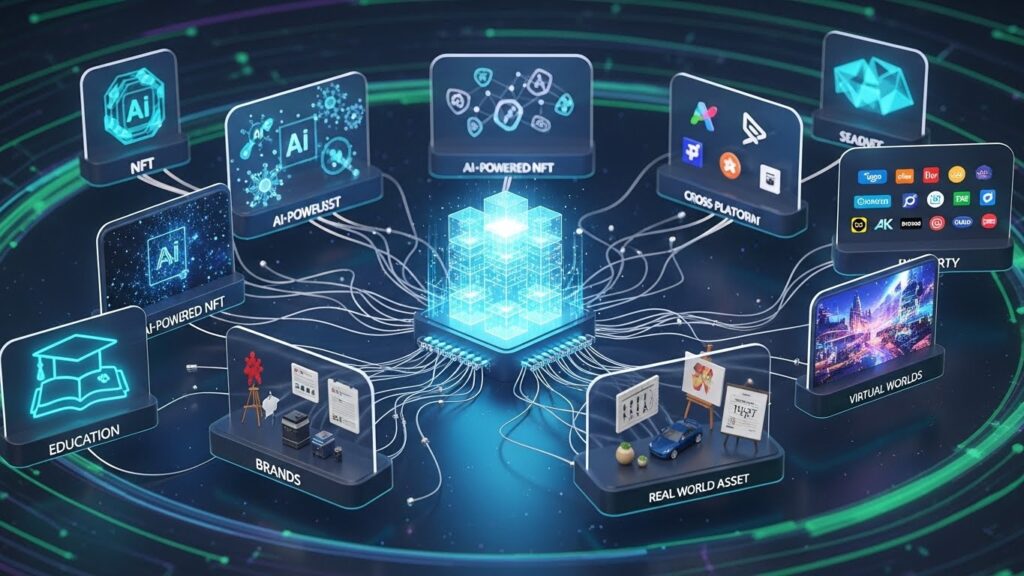
Future of NFT Utility Use Cases
The future includes:
- AI-powered NFT utilities
- Cross-platform NFTs
- Real-world asset integration
- Scalable NFT ecosystems
Utility will drive mainstream adoption.
Why NFT Utility Use Cases Will Define the Next NFT Era
NFTs without purpose fade quickly.
Projects with strong NFT utility use cases:
- Retain users
- Build communities
- Generate long-term value
Utility is now the foundation of NFT success.
✅ Conclusion: NFT Utility Use Cases Are the Real Value Driver
The rise of NFT utility use cases shows a clear shift from speculation to functionality. NFTs are becoming tools for access, identity, ownership, and participation across digital and physical worlds.
As the market evolves, utility-driven NFTs will define the future of digital ownership.