

Utility Driven NFTs: The Next Evolution of Digital Ownership
Utility driven NFTs are changing the perception of NFTs from simple digital art to powerful digital assets with real functionality. In 2025, the NFT market is shifting toward projects that offer tangible value, long-term benefits, and real-world integration.
Unlike speculative NFTs, utility driven NFTs provide access, rewards, services, and exclusive experiences, making them far more sustainable in the long run.
What Are Utility Driven NFTs?
Utility driven NFTs are non-fungible tokens that deliver real use cases beyond ownership. These NFTs act as digital keys that unlock benefits such as platform access, in-game assets, memberships, or financial rewards.
Common utilities include:
- Exclusive platform access
- Play-to-earn rewards
- Staking and passive income
- Voting and governance rights
- Real-world perks
This functionality gives NFTs lasting relevance.
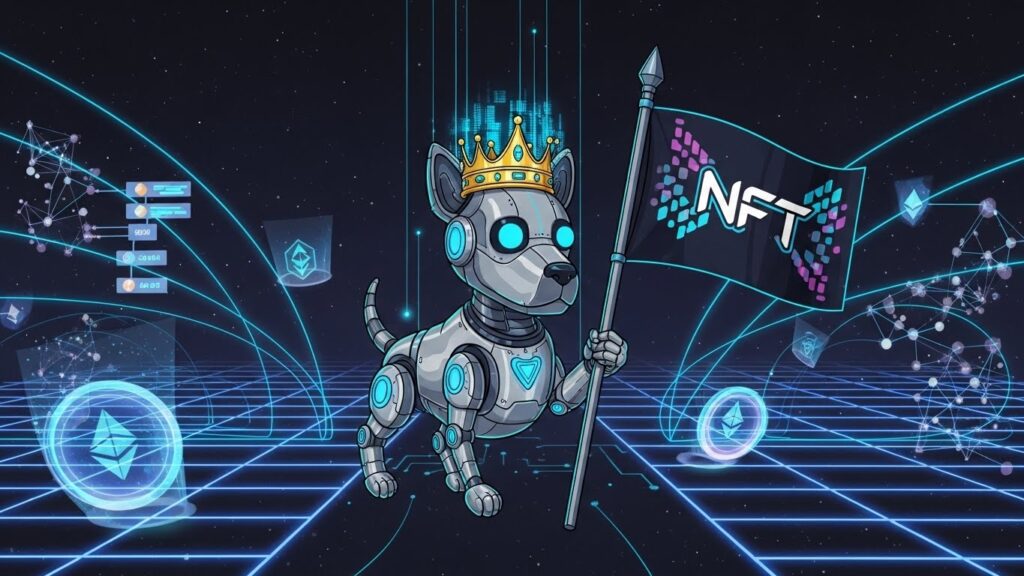
Why Utility Driven NFTs Are Dominating 2025
The NFT market has matured, and users now demand value. Utility driven NFTs are dominating because they solve real problems and create ongoing engagement.
Key reasons for growth:
- Focus on long-term value
- Reduced speculation
- Strong community incentives
- Integration with Web3 platforms
- Real-world use cases
This evolution is attracting both investors and brands.
Utility Driven NFTs vs Traditional NFTs
Traditional NFTs focus primarily on digital ownership and rarity. In contrast, utility driven NFTs offer continuous benefits.
| Traditional NFTs | Utility Driven NFTs |
|---|---|
| Art-based value | Function-based value |
| Speculative | Sustainable |
| Limited interaction | Ongoing engagement |
| Price-dependent | Benefit-dependent |
This shift is redefining NFT investing strategies.

Use Cases of Utility Driven NFTs
🎮 Gaming Ecosystems
Utility driven NFTs power in-game assets, characters, and rewards that players can trade or upgrade.
🏦 DeFi & Finance
NFTs enable staking, yield generation, and access to exclusive financial tools.
🎟 Membership & Access
Brands use NFTs as digital memberships for events, communities, and premium content.
🛍 E-commerce & Real-World Benefits
NFT holders receive discounts, merchandise, and VIP experiences.
How Utility Driven NFTs Create Passive Income
One major advantage of utility driven NFTs is income generation. NFT holders can earn through:
- Staking rewards
- Revenue sharing
- Rental mechanisms
- Play-to-earn models
This transforms NFTs into income-producing digital assets.

Utility Driven NFTs and Web3 Integration
Web3 platforms rely heavily on utility driven NFTs for decentralized identity and access management.
They enable:
- Wallet-based authentication
- Decentralized governance
- Cross-platform asset usage
- User-owned digital identity
This strengthens the overall Web3 ecosystem.
How to Evaluate Utility Driven NFT Projects
Before investing in utility driven NFTs, consider:
- Clear utility roadmap
- Active development team
- Sustainable tokenomics
- Strong community
- Real partnerships
Projects with long-term vision tend to outperform hype-based collections.

Risks Associated With Utility Driven NFTs
Despite advantages, utility driven NFTs carry risks:
- Project execution failure
- Market volatility
- Regulatory uncertainty
- Platform dependency
Risk management and research remain essential.
The Future of Utility Driven NFTs
The future of utility driven NFTs points toward mass adoption across gaming, finance, education, and commerce. As brands and platforms adopt NFT-based access systems, these NFTs will become integral to digital life.
Experts believe utility driven NFTs will define the next phase of the NFT industry.
✅ Conclusion: Are Utility Driven NFTs Worth It?
Utility driven NFTs represent a major upgrade from traditional NFTs by offering real functionality, income opportunities, and long-term value. In 2025, NFTs with utility are positioned to dominate the market as users prioritize usefulness over speculation.
For investors, creators, and brands, embracing utility driven NFTs early could unlock significant opportunities in the evolving digital economy.