
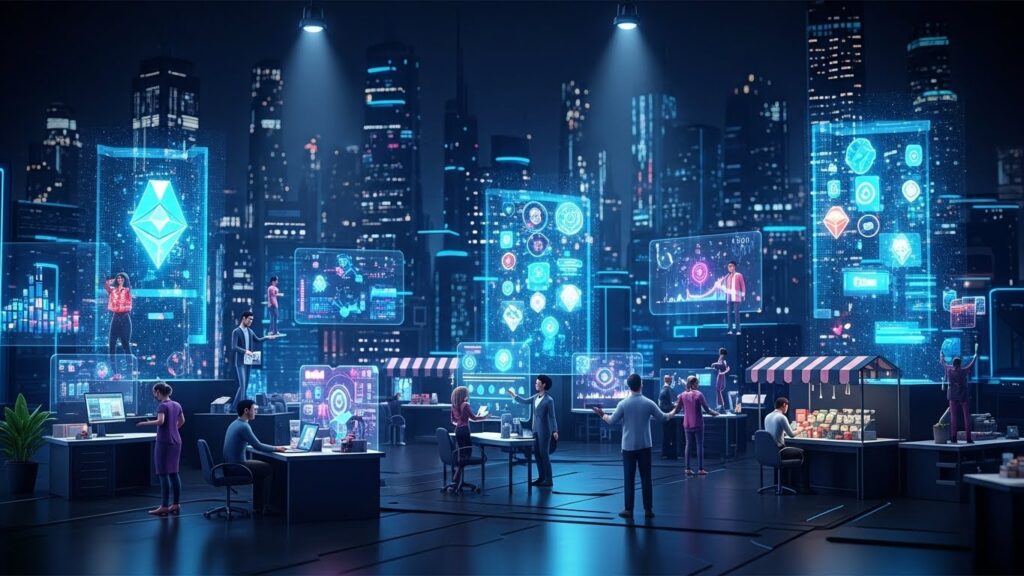
Virtual Reality Economy: The Next Digital Revolution
The digital world is no longer limited to websites and apps. A new system is emerging where people work, earn, and trade inside immersive environments. This system is known as the virtual reality economy.
In 2025, the virtual reality economy is becoming a serious alternative to traditional online income models, opening new opportunities for creators, businesses, and everyday users.
What Is the Virtual Reality Economy?
The virtual reality economy refers to all economic activities that happen inside virtual reality environments.
This includes:
- Buying and selling virtual goods
- Offering services in VR spaces
- Earning income through immersive platforms
- Trading digital assets
Unlike traditional digital economies, VR economies are experience-based, not just transaction-based.
Why the Virtual Reality Economy Is Growing Fast
Several factors are driving the rapid growth of the virtual reality economy:
- Affordable VR headsets
- Better internet speeds
- Realistic 3D environments
- User demand for immersive experiences
People are no longer satisfied with flat digital interaction—they want presence and participation.
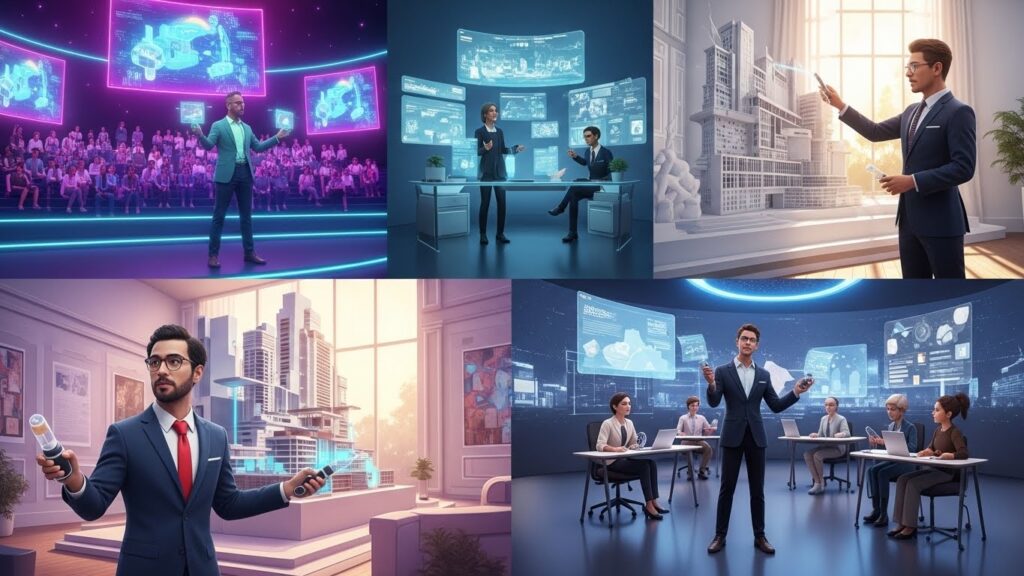
Virtual Jobs Inside the Virtual Reality Economy
One of the biggest changes is the rise of virtual jobs.
Inside the virtual reality economy, people work as:
- Virtual event hosts
- VR designers and builders
- Community managers
- Digital instructors
- Virtual customer support agents
These jobs exist entirely inside immersive environments.
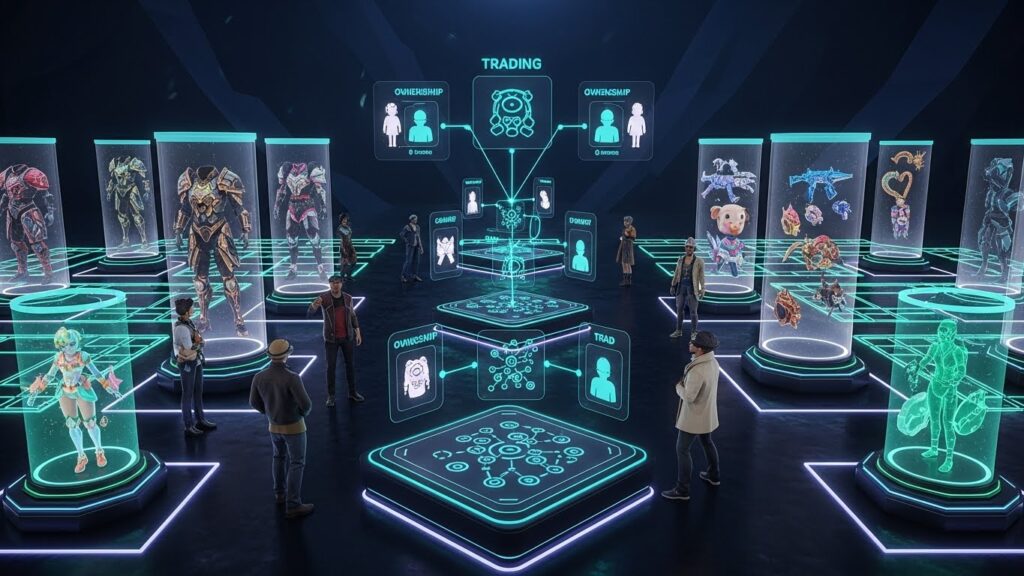
Virtual Goods and Digital Assets
Virtual goods are a major part of the virtual reality economy.
Popular virtual assets include:
- Virtual land
- Avatars and skins
- Digital clothing
- Virtual tools and items
These assets can be bought, sold, and sometimes transferred across platforms.
Role of Creators in the Virtual Reality Economy
Creators are the backbone of the virtual reality economy.
They create:
- Virtual worlds
- Experiences and events
- 3D assets
- Educational content
Creators can monetize their work through access fees, asset sales, and subscriptions.
Virtual Reality Economy vs Traditional Digital Economy
| Feature | Traditional Digital Economy | Virtual Reality Economy |
|---|---|---|
| Interaction | Click-based | Experience-based |
| Engagement | Passive | Active |
| Presence | Low | High |
| Monetization | Ads & sales | Assets & experiences |
The VR economy focuses on participation, not just consumption.
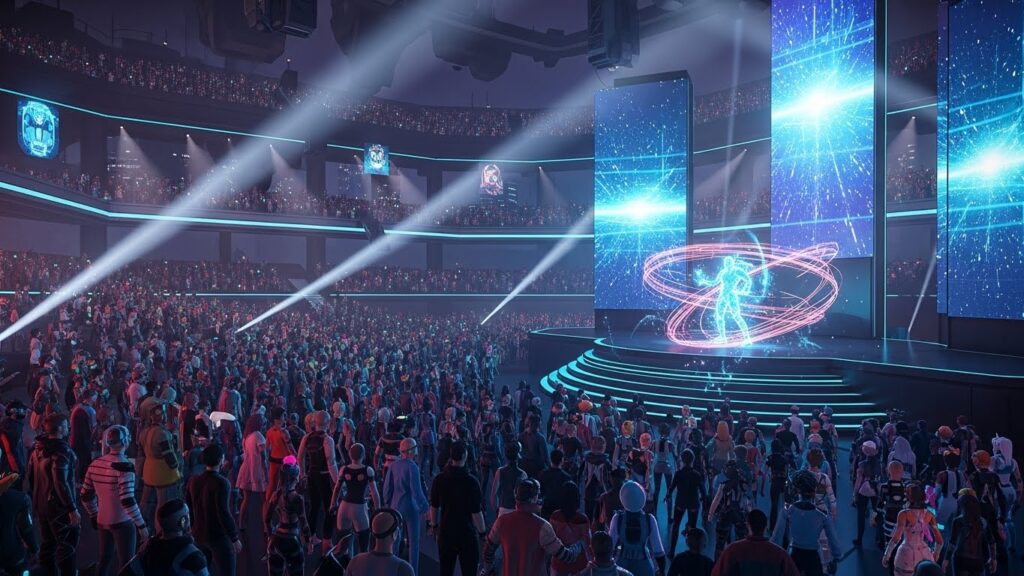
Virtual Events and the VR Economy
Virtual events are a growing revenue stream.
Inside the virtual reality economy, events include:
- Concerts
- Conferences
- Product launches
- Workshops
These events generate income through tickets, sponsorships, and digital merchandise.
Education and Training in the Virtual Reality Economy
Education is becoming a strong pillar of the virtual reality economy.
VR-based education offers:
- Practical simulations
- Skill-based learning
- Remote training
- Interactive classrooms
Institutions and trainers can monetize immersive learning experiences.
Challenges Facing the Virtual Reality Economy
Despite growth, challenges exist:
- Hardware accessibility
- Platform fragmentation
- Skill gaps
- Privacy and safety concerns
As technology matures, these barriers are gradually being reduced.
The Future of the Virtual Reality Economy
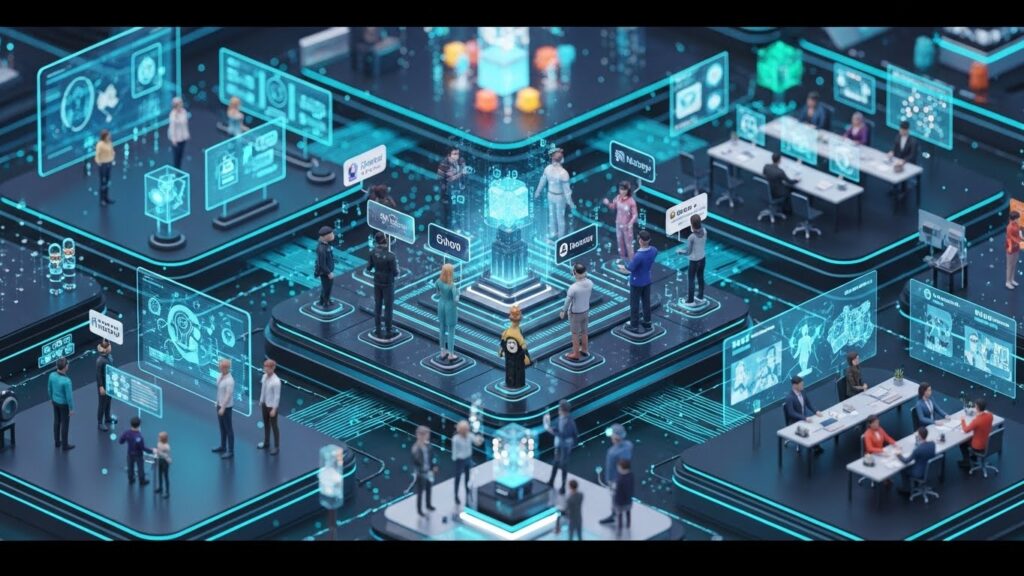
The future of the virtual reality economy includes:
- Cross-platform virtual identities
- Integration with AI
- Real-world business adoption
- Persistent virtual marketplaces
VR economies will blend with traditional economies rather than replace them.
Why the Virtual Reality Economy Matters in 2025
The virtual reality economy represents a shift in how people earn, learn, and connect.
It offers:
- Global access
- New income models
- Creative freedom
- Economic inclusion
Understanding this economy early gives users a strong advantage.
How Beginners Can Enter the Virtual Reality Economy
Beginners can start by:
- Exploring VR platforms
- Learning basic VR skills
- Attending virtual events
- Creating simple digital assets
Small steps can lead to long-term opportunities.
Long-Term Impact of the Virtual Reality Economy
Over time, the virtual reality economy will:
- Create new professions
- Change remote work
- Redefine digital ownership
- Expand immersive commerce
It is not a short-term trend—it’s a structural change.
✅ Conclusion: Virtual Reality Economy Is the Future of Digital Work
The virtual reality economy is transforming how people earn and interact online. From virtual jobs and digital assets to immersive education and events, VR is creating a parallel economic system.
As adoption grows, the virtual reality economy will become a core part of the global digital landscape.