

Virtual Reality Economy: The Rise of a New Digital World
The internet is evolving again. Just like social media changed communication and crypto changed finance, the virtual reality economy is now reshaping how people work, earn, socialize, and build digital businesses.
In 2025, the virtual reality economy is no longer a future idea — it is already creating real income and real opportunities.
What Is the Virtual Reality Economy?
The virtual reality economy refers to all economic activities happening inside immersive virtual environments, including:
- Virtual jobs
- Digital real estate
- Virtual products and services
- In-world currencies
- VR-based businesses
People earn, spend, and invest inside fully immersive virtual spaces.
Why the Virtual Reality Economy Is Growing Fast
Several factors are driving growth:
- Affordable VR headsets
- Faster internet speeds
- Remote work culture
- Virtual social platforms
- Digital ownership models
Together, these elements are accelerating the virtual reality economy worldwide.
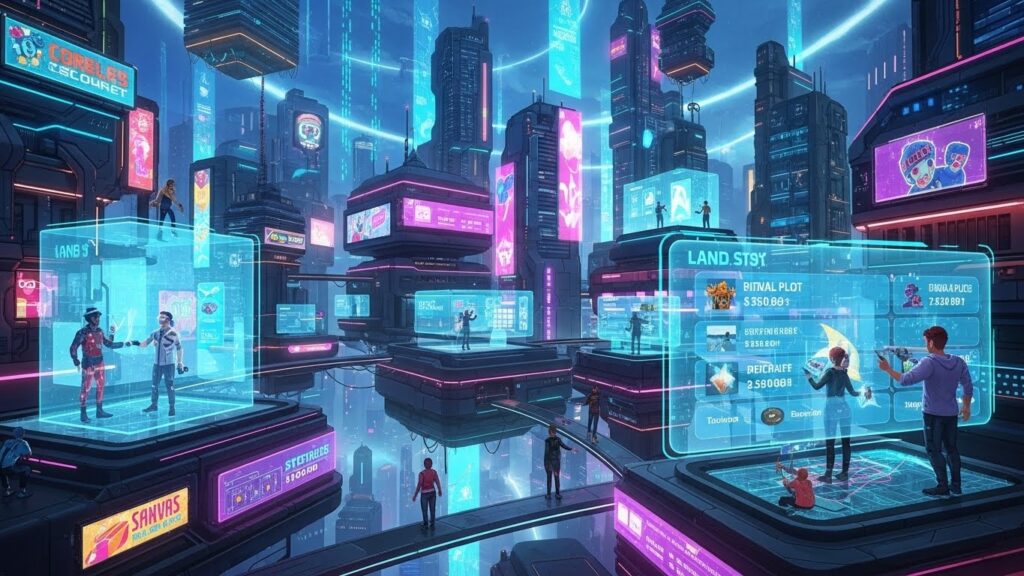
Virtual Reality Economy and Digital Jobs
One of the biggest impacts is employment.
Inside the virtual reality economy, people can work as:
- Virtual designers
- VR architects
- Digital event hosts
- Virtual teachers
- Customer support avatars
These jobs pay real money while operating in virtual environments.
Virtual Real Estate in the Virtual Reality Economy
Virtual land is becoming a valuable asset.
In the virtual reality economy, users can:
- Buy virtual land
- Rent digital spaces
- Build VR stores
- Host paid events
Just like physical property, virtual real estate generates income.
How Businesses Use the Virtual Reality Economy
Brands are rapidly entering VR.
Businesses use the virtual reality economy to:
- Launch virtual stores
- Host immersive product demos
- Create branded experiences
- Train employees in VR
This reduces costs while increasing engagement.
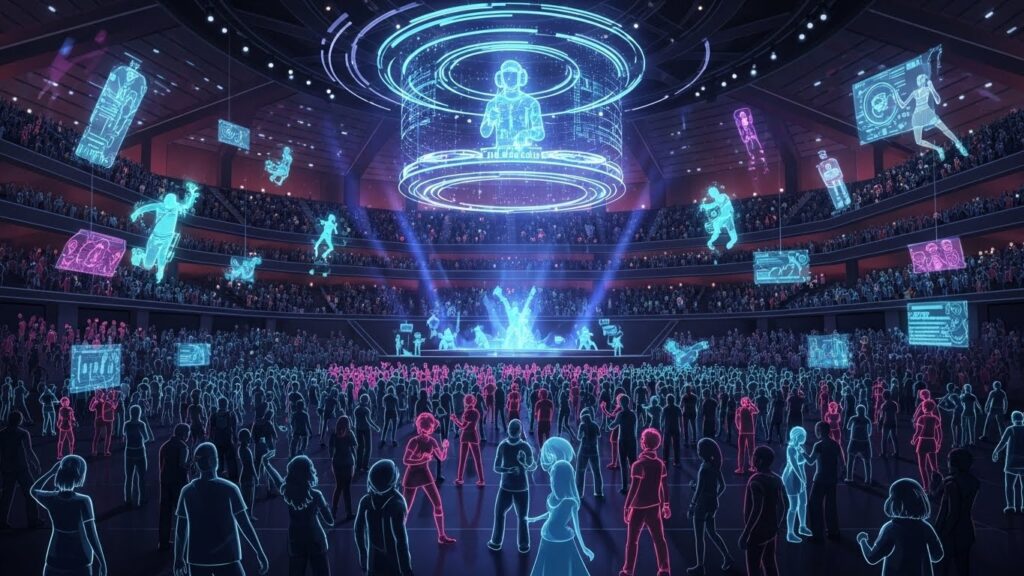
Virtual Reality Economy and Social Interaction
VR is changing social life.
In the virtual reality economy:
- People attend concerts
- Join virtual offices
- Hang out in VR cafes
- Build global friendships
Social interaction becomes immersive instead of screen-based.
Role of Avatars in the Virtual Reality Economy
Avatars are digital identities.
Within the virtual reality economy, avatars:
- Represent users in workspaces
- Attend meetings
- Wear digital fashion
- Build personal brands
Digital identity is becoming as important as real-world identity.
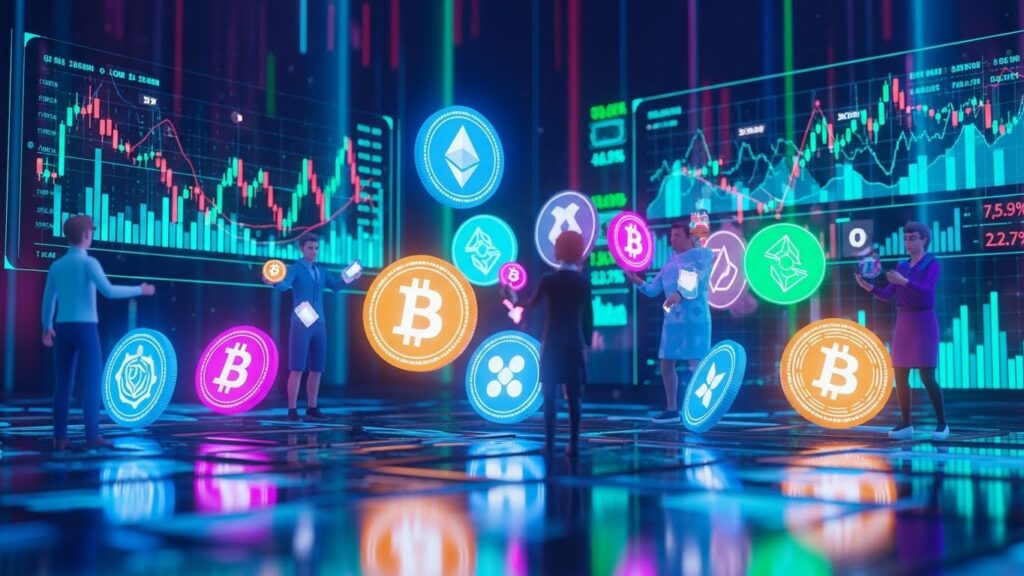
Virtual Currencies Powering the Virtual Reality Economy
Every economy needs currency.
The virtual reality economy runs on:
- In-game currencies
- Digital tokens
- Platform-based credits
These currencies allow buying, selling, and earning inside VR worlds.
Virtual Reality Economy vs Traditional Economy
| Feature | Traditional Economy | Virtual Reality Economy |
|---|---|---|
| Location-based | Yes | No |
| Physical assets | Required | Digital |
| Entry barriers | High | Low |
| Global access | Limited | Unlimited |
The virtual reality economy removes physical boundaries.
Challenges Facing the Virtual Reality Economy
Despite growth, challenges exist:
- High hardware costs
- Privacy concerns
- Digital addiction risks
- Platform monopolies
Solving these issues is key to long-term success.
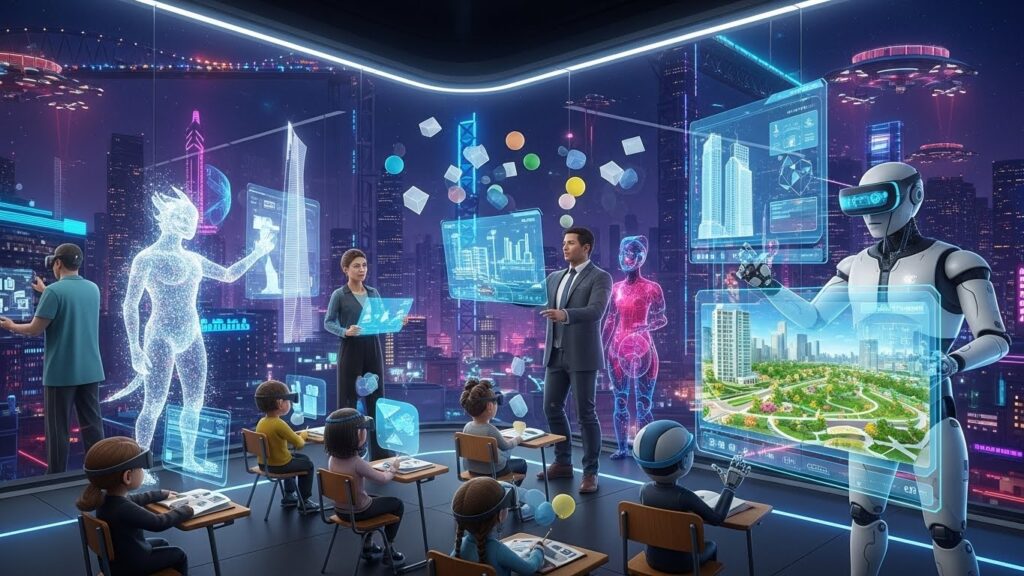
Future of the Virtual Reality Economy
The future looks massive.
Experts predict:
- More VR-based jobs
- Full virtual offices
- VR universities
- Digital-only businesses
The virtual reality economy will merge with daily life.
Why the Virtual Reality Economy Matters in 2025
This shift is important because it:
- Creates new income streams
- Reduces geographic limits
- Redefines work culture
- Expands digital freedom
Ignoring it means missing the next internet revolution.
How Beginners Can Enter the Virtual Reality Economy
New users can start by:
- Exploring VR social platforms
- Learning basic VR skills
- Attending virtual events
- Building digital assets
Early adoption offers major advantages.
✅ Conclusion: The Virtual Reality Economy Is Just Getting Started
The virtual reality economy is transforming how humans interact with technology, money, and each other. It offers freedom, creativity, and global opportunity unlike any previous digital system.
Those who understand it early will shape the future — not just watch it.