
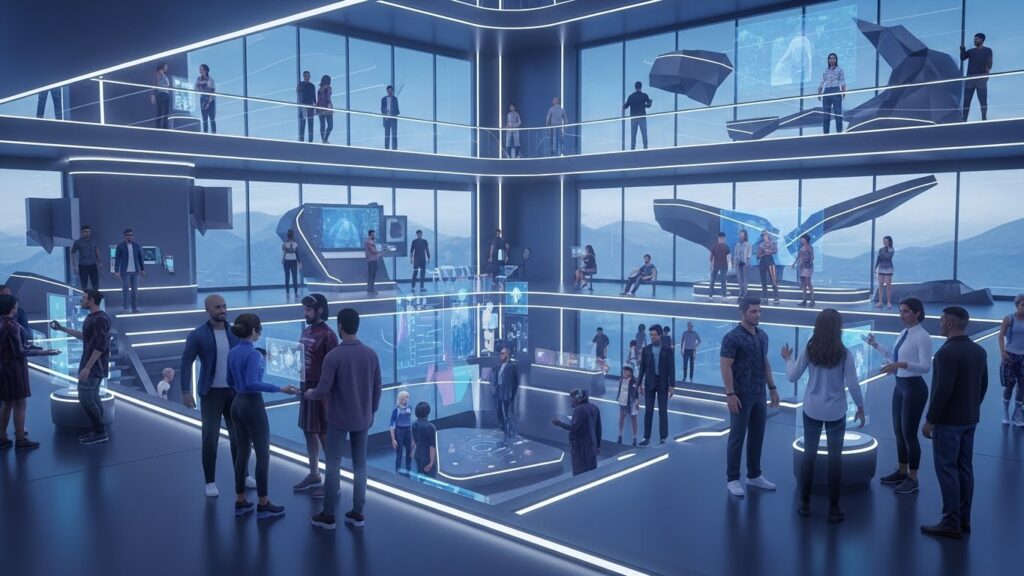
Virtual Reality Social Platforms: The Future of Online Connection
Social media is evolving beyond screens and scrolling. In 2025, virtual reality social platforms are creating immersive spaces where people interact as if they are physically present.
These platforms are changing how friendships, communities, and digital identities are formed in the virtual world.
What Are Virtual Reality Social Platforms?
Virtual reality social platforms are immersive environments where users meet, communicate, and socialize using VR technology.
Instead of text or video calls, users interact through:
- 3D avatars
- Spatial voice
- Virtual environments
- Shared activities
This creates a sense of presence that traditional social media cannot offer.
Why Virtual Reality Social Platforms Are Growing Rapidly
Several factors are driving adoption:
- Improved VR hardware
- Faster internet connections
- Demand for immersive interaction
- Remote work and global communities
People want deeper and more meaningful digital interaction.
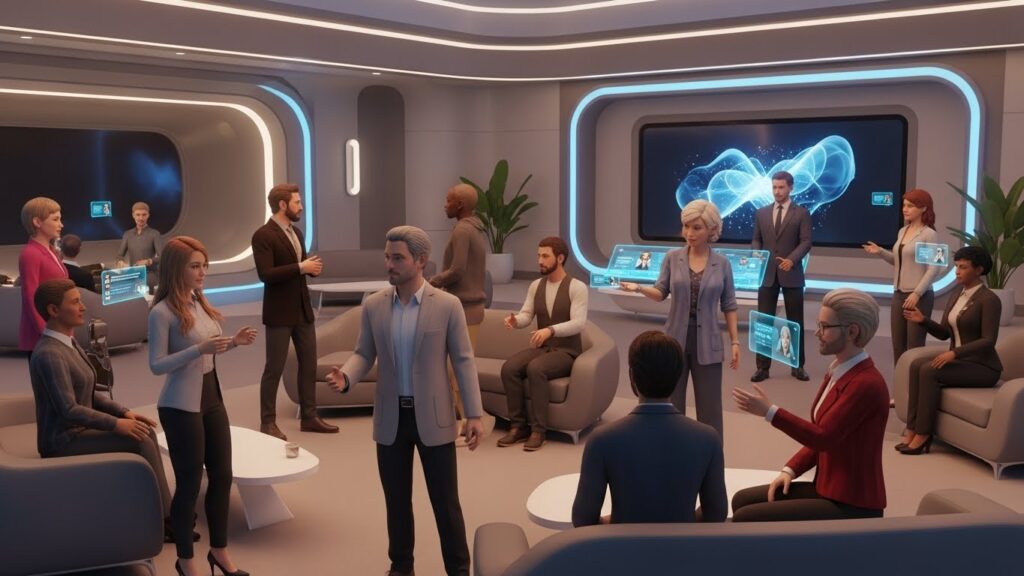
Virtual Reality Social Platforms vs Traditional Social Media
| Feature | Traditional Social Media | Virtual Reality Social Platforms |
|---|---|---|
| Interaction | Text & video | Full immersive presence |
| Engagement | Passive scrolling | Active participation |
| Identity | Profile-based | Avatar-based |
| Experience | 2D | 3D immersive |
The difference lies in presence, not just communication.
Virtual Communities Inside Virtual Reality Social Platforms
Communities are the heart of virtual reality social platforms.
Users form:
- Interest-based groups
- Professional networks
- Learning communities
- Social hangout spaces
These communities feel more personal due to real-time interaction.
Digital Identity and Avatars
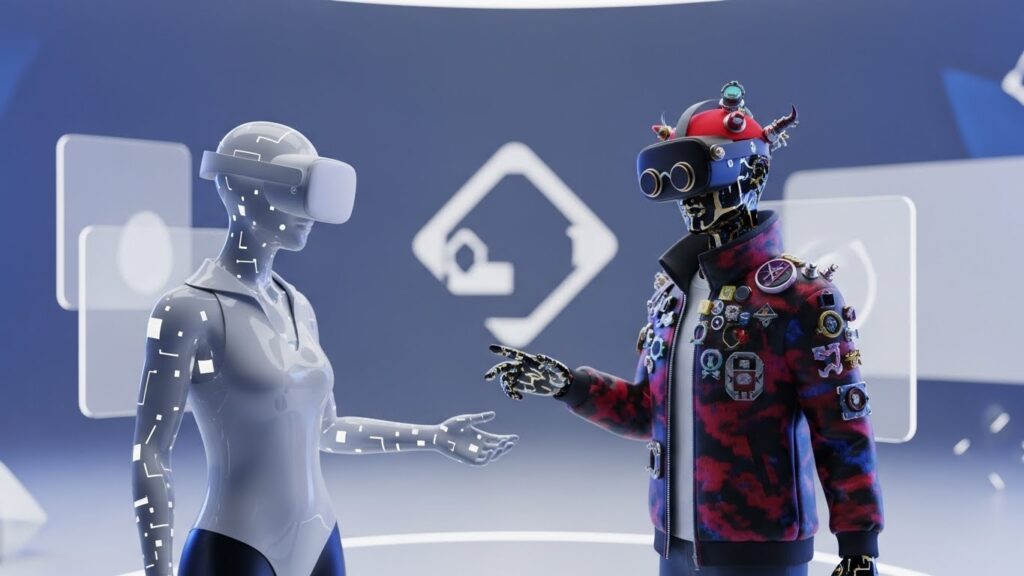
Avatars represent users in virtual spaces.
In virtual reality social platforms, avatars:
- Reflect personality
- Enable expression
- Build social identity
- Enhance engagement
Digital identity becomes more flexible and creative than real-world identity.
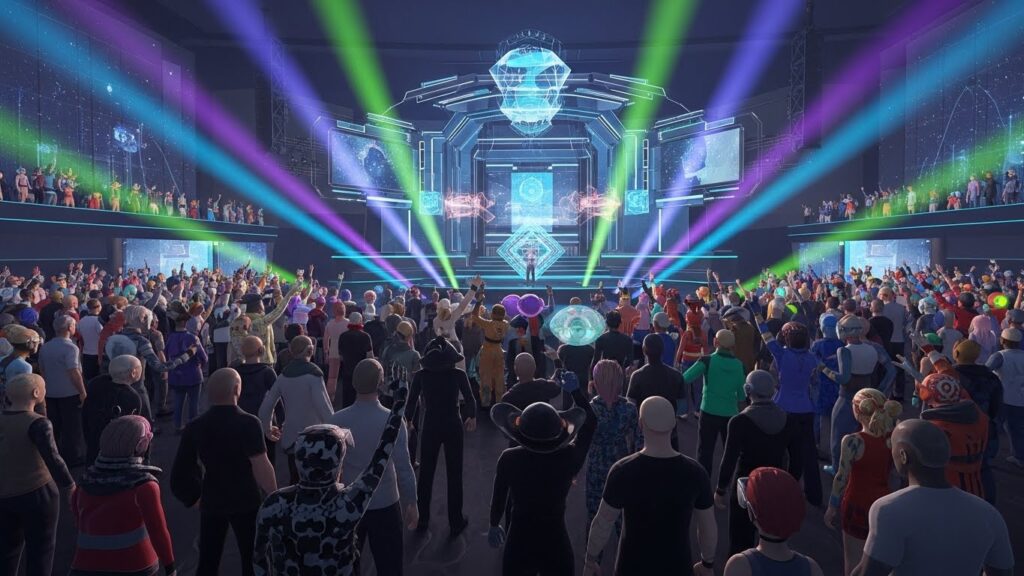
Virtual Events on Social VR Platforms
Events are a major use case.
Popular events include:
- Virtual meetups
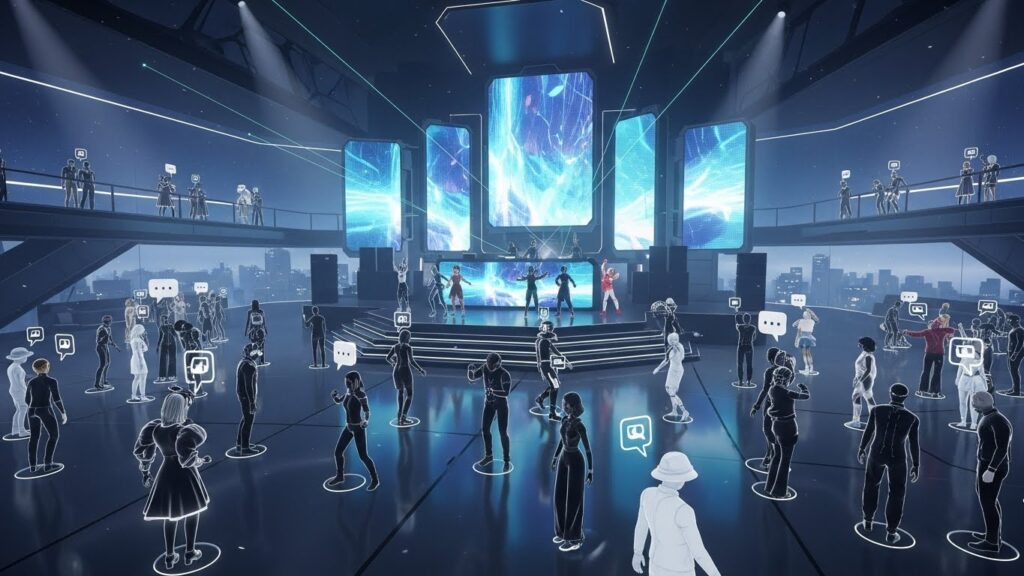
- Concerts
- Workshops
- Conferences
Virtual reality social platforms allow people from anywhere to attend together in real time.
Role of Creators in Virtual Reality Social Platforms
Creators build:
- Custom worlds
- Interactive experiences
- Social spaces
- Virtual games
Creators monetize their work through access fees, digital items, and memberships.
Education and Collaboration in Social VR
Education is transforming through immersive learning.
Virtual reality social platforms support:
- Virtual classrooms
- Group training
- Skill simulations
- Collaborative learning
This improves engagement and knowledge retention.
Challenges Facing Virtual Reality Social Platforms
Despite growth, challenges exist:
- Hardware accessibility
- Motion sickness concerns
- Privacy and moderation
- Platform fragmentation
As technology improves, these challenges are gradually being addressed.
Virtual Reality Social Platforms and the Metaverse
Social VR platforms are foundational to the metaverse.
They enable:
- Persistent virtual worlds
- Social economies
- Digital ownership
- Cross-platform interaction
They are building blocks of the future internet.
Future Trends in Virtual Reality Social Platforms
Expected developments include:
- AI-powered avatars
- Cross-world identities
- Improved realism
- Integration with digital economies
The experience will become more natural and inclusive.
Why Virtual Reality Social Platforms Matter in 2025
These platforms represent a shift in how humans connect online.
They offer:
- Deeper relationships
- Global access
- Creative freedom
- Immersive collaboration
Social interaction is becoming experiential, not just communicative.
How Beginners Can Join Virtual Reality Social Platforms
Beginners can start by:
- Using entry-level VR headsets
- Exploring beginner-friendly platforms
- Attending public events
- Customizing simple avatars
Small steps lead to immersive experiences.
Long-Term Impact of Virtual Reality Social Platforms
Over time, virtual reality social platforms will:
- Replace some social media use cases
- Transform remote work
- Redefine digital presence
- Shape online communities
They are not a trend—they are an evolution.
✅ Conclusion: Virtual Reality Social Platforms Are the Future of Social Interaction
Virtual reality social platforms are redefining how people meet, communicate, and build relationships online. By offering immersive presence and shared experiences, they are creating a more human digital world.
As adoption grows, these platforms will become central to the future of online interaction.