

Virtual Reality Social Platforms: The Future of Human Connection
The internet is entering a new phase where interaction is no longer limited to screens and text. Today, people want to feel present while communicating online. This demand has given rise to virtual reality social platforms, which allow users to meet, talk, and interact inside immersive 3D environments.
Unlike traditional social media, these platforms focus on presence, realism, and shared experiences rather than likes and comments.
What Are Virtual Reality Social Platforms?
Virtual reality social platforms are digital environments where users interact using avatars in fully immersive virtual spaces. With the help of VR headsets or desktop access, users can:
- Talk in real time
- Attend events
- Build virtual communities
- Share experiences
These platforms simulate real-world social interaction in a virtual setting.
Why Virtual Social Interaction Is Evolving
Traditional social media lacks emotional depth. Video calls feel flat, and text messages lack presence. Virtual environments solve this problem by creating:
- Spatial conversations
- Body language through avatars
- Shared virtual activities
This evolution is why virtual reality social platforms are gaining global attention.

How Avatars Enhance Social Experience
Avatars act as digital identities. Users can:
- Customize appearance
- Express emotions through movement
- Represent themselves creatively
Avatars create emotional connection, making conversations feel more natural and personal than standard online chats.
Virtual Communities Inside VR Worlds
One of the biggest strengths of VR social platforms is community building. People form:
- Interest-based groups
- Virtual clubs
- Learning communities
- Support networks
These communities feel more real because members share space, not just messages.
Virtual Reality Social Platforms and Remote Work
Remote work is changing rapidly. Companies are exploring VR spaces for:
- Virtual offices
- Team meetings
- Training sessions
- Brainstorming rooms
Inside virtual reality social platforms, teams collaborate more naturally than video calls allow.
Entertainment and Events in VR Social Spaces
Entertainment is a major driver of adoption. Users can:
- Attend live concerts
- Join virtual parties
- Watch events together
- Host meetups
These experiences feel interactive rather than passive.
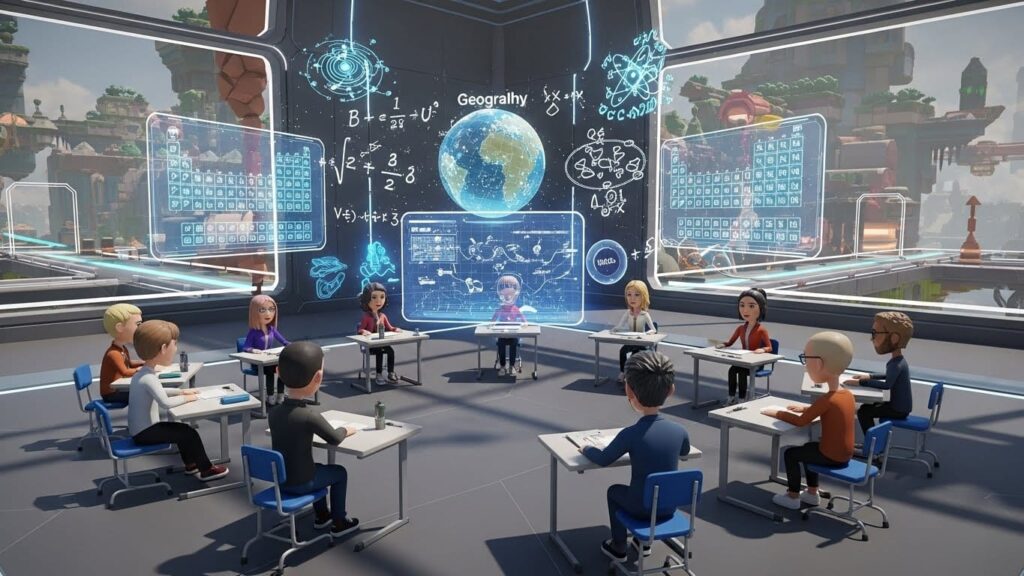
Education and Learning Through Social VR
Learning becomes immersive when students:
- Attend virtual classrooms
- Interact with teachers as avatars
- Explore simulated environments
This social learning style improves engagement and understanding.
Privacy and Safety Challenges
Despite growth, challenges exist:
- Identity misuse
- Harassment risks
- Data privacy concerns
Platform developers are actively working on moderation tools and safety systems to protect users.
How Businesses Use Social VR Platforms
Brands are experimenting with:
- Virtual product launches
- Community engagement spaces
- Customer support lounges
These platforms offer deeper engagement compared to traditional social media.
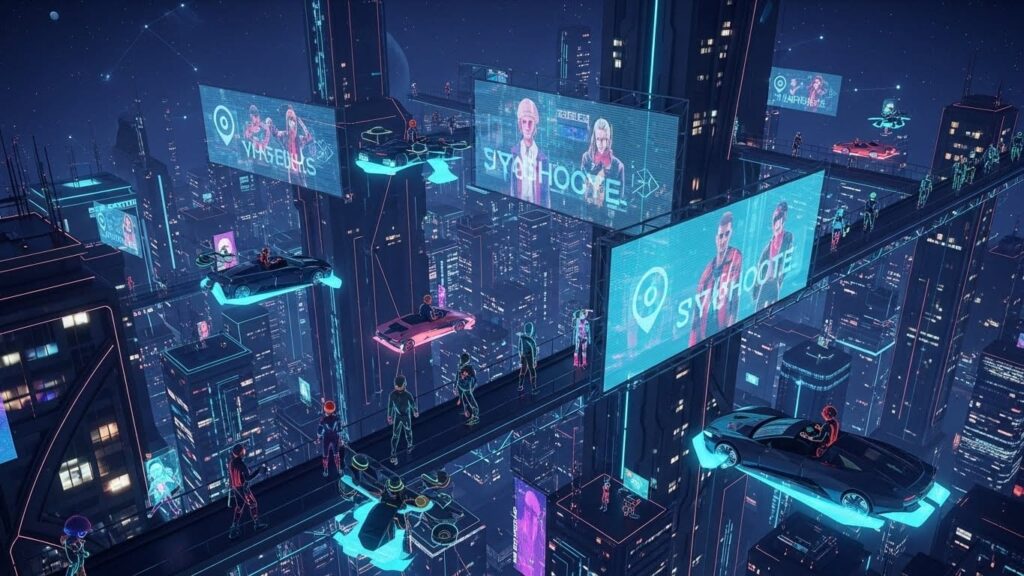
Virtual Reality Social Platforms vs Traditional Social Media
| Feature | Traditional Social Media | VR Social Platforms |
|---|---|---|
| Interaction | Text & video | Immersive presence |
| Identity | Profile-based | Avatar-based |
| Engagement | Passive | Interactive |
| Community feel | Limited | Strong |
This difference highlights why social VR is growing.
Accessibility and Device Limitations
VR adoption still faces barriers:
- Headset cost
- Hardware comfort
- Learning curve
However, desktop and mobile access options are expanding rapidly.
The Future of Social Interaction in VR
As technology improves:
- Headsets will become cheaper
- Avatars more realistic
- Virtual spaces more detailed
Virtual reality social platforms will become part of everyday communication.
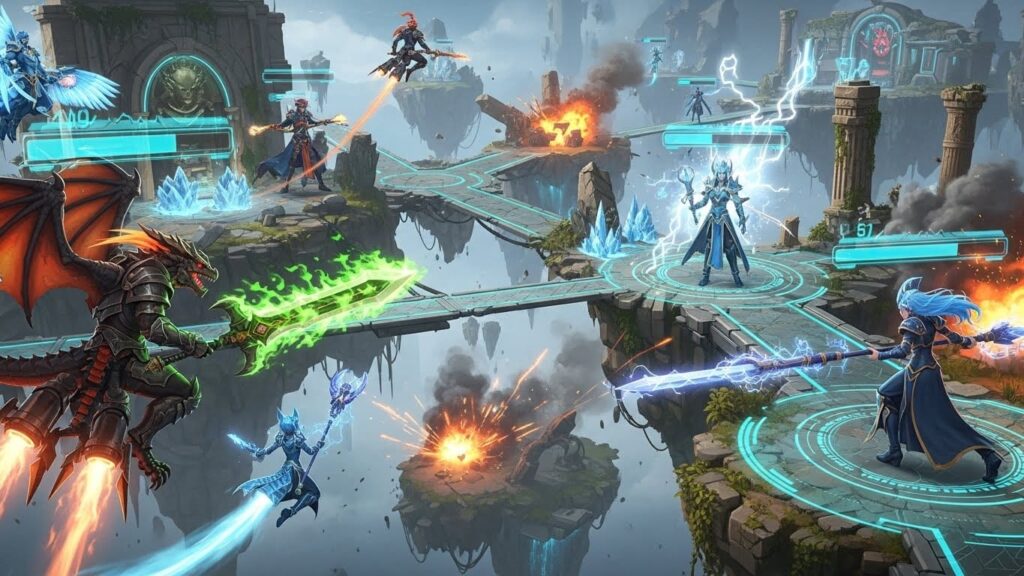
Why This Shift Matters
This transformation matters because:
- It reduces loneliness
- Enhances global connection
- Creates new digital cultures
Human connection is becoming immersive rather than distant.
How Beginners Can Start Using Social VR
New users can:
- Explore beginner-friendly platforms
- Use desktop mode first
- Join public communities
- Customize avatars gradually
Entry is easier than most people think.
✅ Conclusion
The future of online interaction is not scrolling — it is presence. Virtual reality social platforms are redefining how people meet, communicate, work, and build relationships online. As technology matures, these platforms will replace many traditional forms of digital communication.
Those who adapt early will experience the next evolution of the internet firsthand.