
Introduction: What Is an NFT and Why Is It So Popular?
The question “what is an NFT” is currently among the most frequently searched queries online today. NFTs have revolutionized the way people think about ownership, art, and digital assets. Whether artists, gamers, investors, or celebrities, NFTs are transforming online value.
In short, knowledge of what is an NFT is essential in comprehending the future of the internet, digital ownership, and blockchain technology.
What Is an NFT? (Beginner-Friendly Explanation)
What is an NFT?
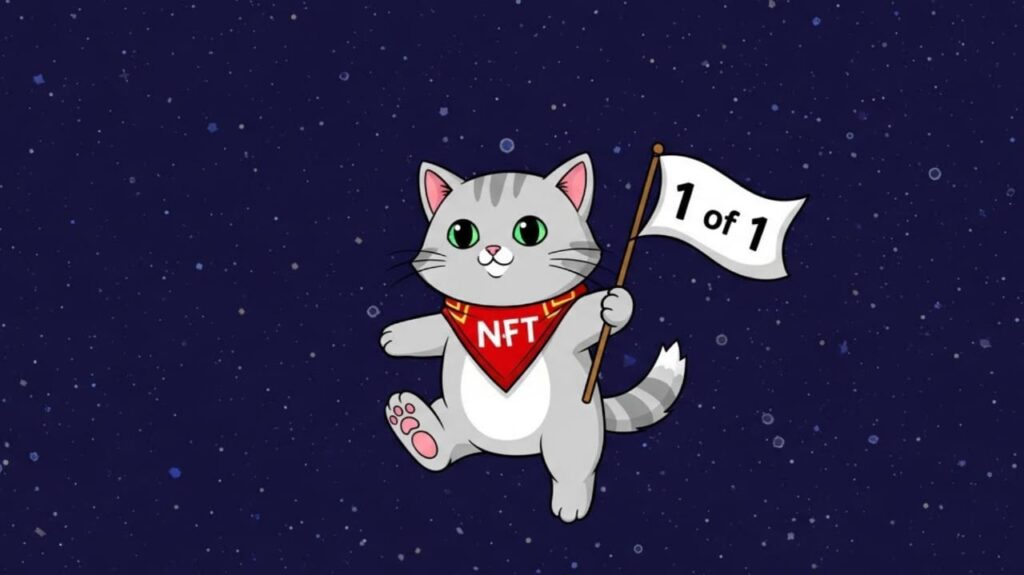
An NFT is a Non-Fungible Token, which means it is a unique digital asset stored on a blockchain. Unlike cryptocurrencies such as Bitcoin or Ethereum, NFTs are not interchangeable.
Each NFT represents ownership of a specific digital item such as:
- Digital art
- Music
- Videos
- Collectibles
- Virtual land
This uniqueness is what gives NFTs value.
What Does NFT Stand For?
What does NFT stand for?
NFT stands for Non-Fungible Token:
- Non-fungible means one of a kind
- Token means a digital proof on blockchain
This is why NFTs cannot be copied or replaced like normal digital files.
NFT Meaning in Simple Words
The NFT meaning is simple: it proves ownership of something digital. While anyone can view an image online, only one person owns the NFT linked to that image.
This ownership is verified publicly on the blockchain, making NFTs transparent and secure.
NFTs and Digital Ownership
NFTs solve a major internet problem: ownership.
Before NFTs:
- Digital files could be copied endlessly
- Creators had limited control
With NFTs:
- Ownership is provable
- Creators earn royalties
- Buyers own original digital assets
This is why NFTs are revolutionary.
NFT Art: How Creativity Changed Forever
NFT art allows artists to sell digital creations directly to buyers without galleries or middlemen. Artists can:
- Mint art as NFTs
- Sell globally
- Earn royalties on resales
NFT art has empowered digital creators like never before.
How NFTs Work on Blockchain
NFTs are built on blockchain technology. Each NFT contains:
- Ownership data
- Creator information
- Transaction history
Blockchains like Ethereum, Solana, and Polygon power most NFT ecosystems. This technology ensures trust and transparency.
How to Make an NFT (Step-by-Step)
How to make an NFT?
- Create digital content (art, music, video)
- Choose a blockchain
- Create a crypto wallet
- Connect to an NFT platform
- Upload your file and mint the NFT
- List it for sale
This process has opened NFT creation to anyone in the world.
NFTs Beyond Art
NFTs are not limited to art. They are also used for:
- Gaming assets
- Event tickets
- Music rights
- Digital identity
- Metaverse land
This makes NFTs useful across multiple industries.
Why NFTs Have Value
NFT value depends on:
- Scarcity
- Creator reputation
- Community demand
- Utility
- Market trends
Understanding what is an NFT helps investors judge value more accurately.
Risks and Challenges of NFTs
Like any new technology, NFTs have risks:
- Market volatility
- Fake projects
- Copyright issues
- Speculation
Education and research are essential before investing.
Future of NFTs in 2025 and Beyond
The future of NFTs includes:
- Gaming and metaverse integration
- AI-generated NFTs
- Music and movie NFTs
- Real-world asset tokenization
NFTs are evolving beyond collectibles into real digital infrastructure.
Conclusion
Understanding what is an NFT is essential in today’s digital world. NFTs represent a powerful shift toward true digital ownership, creator empowerment, and blockchain-based value exchange.
From NFT art to gaming, identity, and virtual worlds, NFTs are no longer a trend—they are a foundation of the future internet. Anyone interested in digital innovation should understand what NFTs are and how they work.