
What Is VR and Why Is It Becoming So Important?
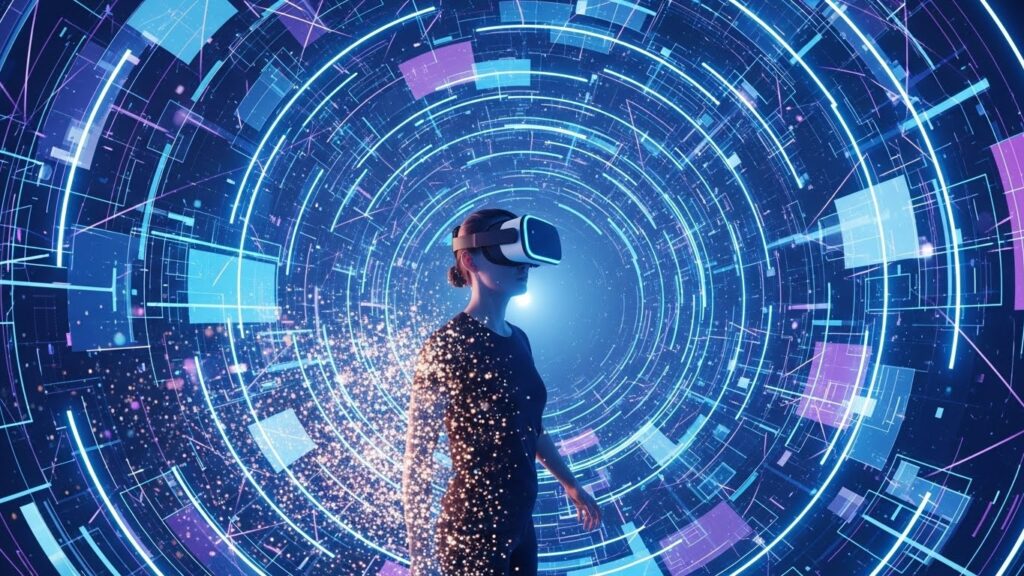
Many people hear the term VR but still ask what is VR and why it is suddenly everywhere. VR, or virtual reality, is a technology that allows users to step into a computer-generated environment instead of just viewing it on a screen.
In 2025, VR is no longer limited to gaming. It is reshaping education, tourism, real estate, training, and digital communication.
What Is VR? Simple Explanation for Beginners
What is VR?
VR stands for Virtual Reality, a technology that creates a simulated environment where users can interact as if they are physically present.
Using VR devices, users experience:
- 3D digital spaces
- Real-time interaction
- Immersive visual and audio feedback
This creates a strong sense of presence known as a virtual experience.
How VR Works Behind the Scenes
To fully understand what is VR, it helps to know how it works.
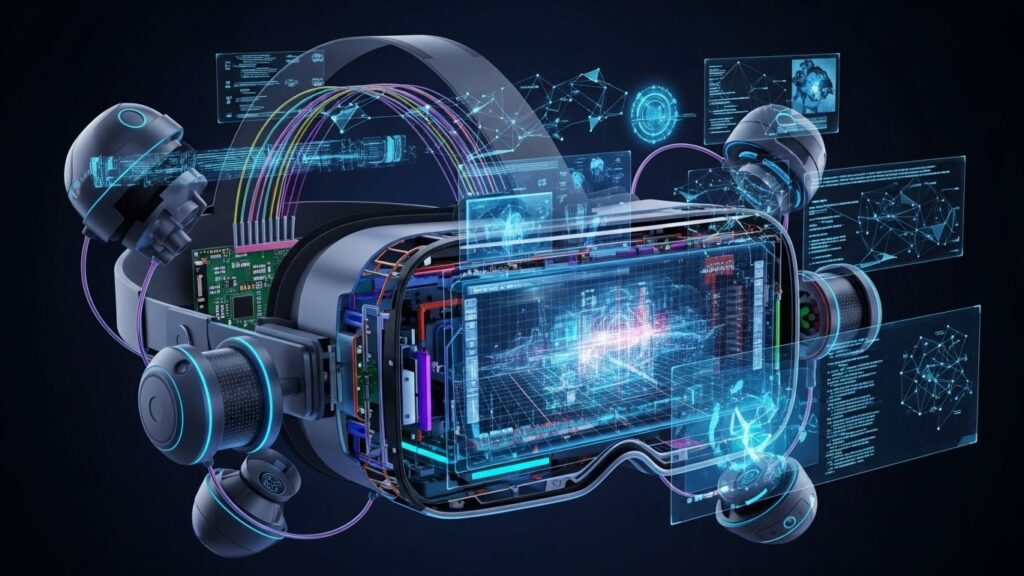
VR systems combine:
- VR headsets
- Motion tracking sensors
- 3D software environments
- Real-time rendering
These components work together to respond instantly to user movement, making the experience feel natural.
What Is a VR Model?
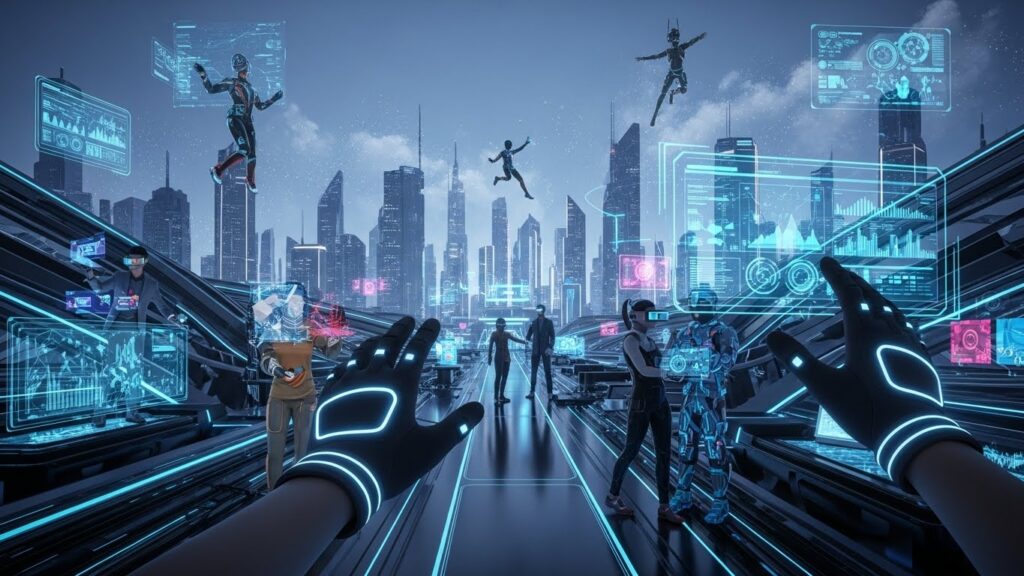
A VR model is a 3D digital representation of objects, spaces, or environments used inside virtual reality systems.
VR models are used for:
- Buildings and interiors
- Products and machinery
- Characters and avatars
- Training simulations
High-quality VR models increase realism and immersion.
Virtual Experience: The Core of VR Technology
The goal of VR is to deliver a powerful virtual experience.
A good virtual experience includes:
- Realistic visuals
- Natural movement
- Interactive elements
- Spatial audio
This makes users feel emotionally and mentally connected to the virtual environment.
What Is VR Used For Today?
Understanding what is VR also means knowing its real-world applications.
Common VR use cases include:
- Gaming and entertainment
- Education and learning simulations
- Virtual tourism
- Medical training
- Product demonstrations
VR is expanding far beyond entertainment.
Virtual Tour Software and VR
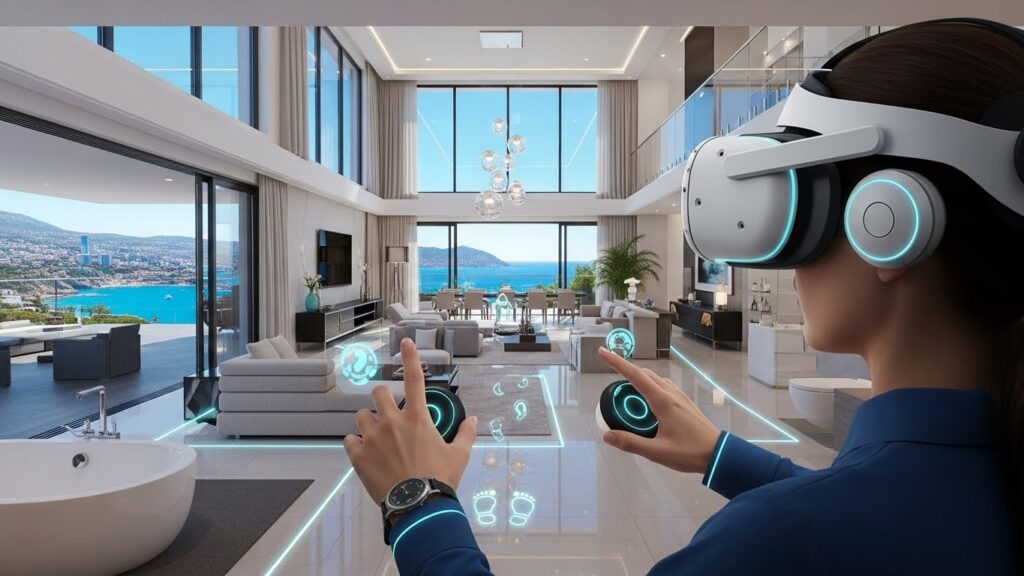
One of the most popular uses of VR is virtual tour software.
Virtual tour software allows users to:
- Explore properties remotely
- Visit tourist destinations virtually
- Walk through museums and galleries
- Experience hotels before booking
This is widely used in real estate, travel, and education industries.
VR in Education and Training
VR is transforming how people learn.
In education, VR enables:
- Interactive lessons
- Practical skill training
- Safe simulation environments
- Better memory retention
Students learn by doing, not just watching.
VR vs Traditional Digital Experiences
| Feature | Traditional Digital | Virtual Reality |
|---|---|---|
| Interaction | Click & scroll | Full immersion |
| Experience | Flat screen | 3D environment |
| Engagement | Limited | High |
| Presence | None | Strong |
This difference explains why VR adoption is growing fast.
Challenges of VR Technology
Despite growth, VR faces challenges:
- Hardware cost
- Motion sickness for some users
- Content development complexity
- Learning curve
However, these issues are improving with technology advancements.
Future of VR Technology
The future of VR looks promising.
Upcoming trends include:
- Lighter VR headsets
- More realistic VR models
- AI-powered virtual environments
- Widespread virtual tour software adoption
VR will soon become part of everyday digital life.
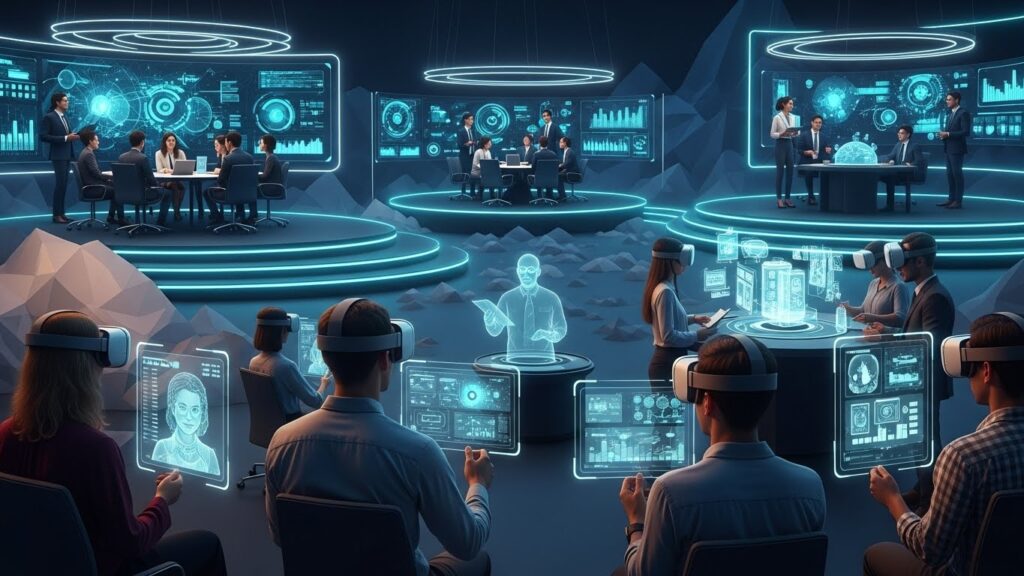
Why Understanding What Is VR Matters
Knowing what is VR helps individuals and businesses prepare for the future.
VR offers:
- Better digital communication
- New business opportunities
- Enhanced learning experiences
- Immersive virtual interactions
It represents the next evolution of the internet.
✅ Conclusion: What Is VR and Why It Matters in 2025
What is VR is no longer a technical question—it’s a gateway to understanding the future of digital interaction. From VR models and virtual experiences to virtual tour software, VR is changing how people explore, learn, and connect online.
As technology advances, VR will become a standard part of modern digital life.